
Camper van inverters
How do camper van inverters work?
A campervan leisure battery produces a direct current (DC). Mains electricity found in a house is typically 230V in most European countries (120V in the US) and produces an alternating current (AC). Camper van inverters work by converting the power from your leisure batteries from DC to AC. You will need to use an inverter to use any products that require an AC current (typically those which have a 3 pin plug attached to them). The voltage of your inverter must be the same as the voltage of your system - a 12V inverter will only work in a 12V system.


Pure vs modified sine wave inverters
When choosing an inverter for your van, there are two main types available: pure sine wave and quasi (modified) sine wave. To begin with, quasi sine wave inverters create an approximation of the AC waveform found in household wall sockets, whereas a pure sine wave inverter exactly reproduces the AC waveform.
For instance, NDS Energy and Sterling Power offer both modified and pure sine wave inverters. On the other hand, Victron Energy sells only pure sine wave inverters, making it a more specialised option.
Modified (quasi) sine wave inverters
Simpler electronics can be powered using a quasi sine wave inverter. Anything that isn’t a sensitive piece of medical equipment and doesn’t have an AC motor (like a microwave or a fridge) can run using this type of inverter. Any products with an AC motor receiving a quasi sine wave will run at a higher temperature, reducing their lifetime.
Some appliances might emit buzzing noises when powered by a quasi sine wave inverter, and you may also notice reduced brightness in fluorescent lights. On top of that, newer TVs can experience issues like drops in framerate, brightness, and colour reproduction. Plus, appliances with timers or digital clocks might not function correctly, as the quasi sine wave can interfere with timekeeping. What’s more, devices that use electronic temperature controls (such as bread makers) or have variable settings (like light dimmers and variable speed drills) may also fail to operate properly.
We sell a range of quasi sine wave inverters from NDS Energy and Sterling Power.

Pure sine wave inverters
The advantage of a pure sine wave inverter is that it produces the exact same AC wave as your 230V sockets at home. As a result, all mains-powered electronics will work exactly as designed when running off a pure sine wave inverter.
This performance is reflected in the higher price tag attached to pure sine wave inverters. Additionally, pure sine wave inverters tend to have better heat dissipation and run much quieter than quasi sine wave inverters. For example, while a quasi sine wave inverter may produce a constant low hum, a good-quality pure sine wave inverter will be almost silent during use.
If you can afford it, we recommend purchasing a pure sine wave inverter for your electrical system. All Victron inverters, as well as some from NDS Energy and Sterling Power, are pure sine wave.
Browse the full range of pure sine wave inverters in our webshop.

Inverter/chargers (the Victron MultiPlus)
If you plan on using electric hook-ups to power your campervan and charge your leisure batteries, then consider using a campervan inverter/charger. The Victron MultiPlus is both an inverter and a battery charger in one. It also features a ‘smart’ high-speed AC transfer switch, which automatically switches your system from using shore power to your batteries whenever you’re not connected to a hook-up.
In other words, when you’re plugged into a mains hook-up, your batteries will charge, and your system will draw power from shore for any 230V appliances. However, as soon as you unplug, the system will immediately switch to drawing power from your leisure batteries via the inverter.
Campervan electrics leaving you confused?


What size inverter do I need for my camper van?
When selecting an inverter, it’s essential to size it correctly based on the total wattage of any 230V appliances you plan to use. For example, Victron inverters come with two key numbers: one indicates the voltage of the inverter (in the case of a 12V inverter, this will be 12), and the second refers to the maximum operating wattage. To figure out the right inverter size for your van, you should add up the wattage of all 230V appliances you plan to run at the same time.
On top of that, we recommend adding a safety margin to future-proof your system. For instance, even if you currently only use low-wattage appliances, installing at least the 500VA inverter is a good idea. Why? The price difference between this and smaller models is minimal, but it provides more flexibility for future upgrades. Additionally, since camper van inverters are rated to handle a maximum wattage, it’s crucial to stay within that limit. Otherwise, exceeding it could damage your inverter.
Most inverter manufacturers use watts (W) to specify inverter power. However, Victron use volt-amperes (VA) instead. VA describes apparent power, whereas W describes real power. The distinction between these can be important when designing your electrical system. To learn more, check out this article, where we discuss the differences between VA and W and how this affects your choice of inverter or inverter/charger.


Ready-to-go inverter kits Designed by experts 🔧
Our kits are designed by engineers to be safe and robust. Plus - when you purchase, we'll send you a free wiring diagram and installation guide.

What's the best inverter for a campervan?
Choosing the best inverter for your campervan depends on several factors. For example, consider the appliances you plan to power and whether you’ll be spending time fully off-grid or using campsites with shore power. At Nohma, we believe that Victron inverters are the top choice for campervan electrical systems.
If you're going completely off-grid, the Phoenix inverter is ideal. On the other hand, if you plan to recharge your system at campsites, the MultiPlus inverter/charger will offer the best functionality for your needs.
The best fully off-grid camper van inverters
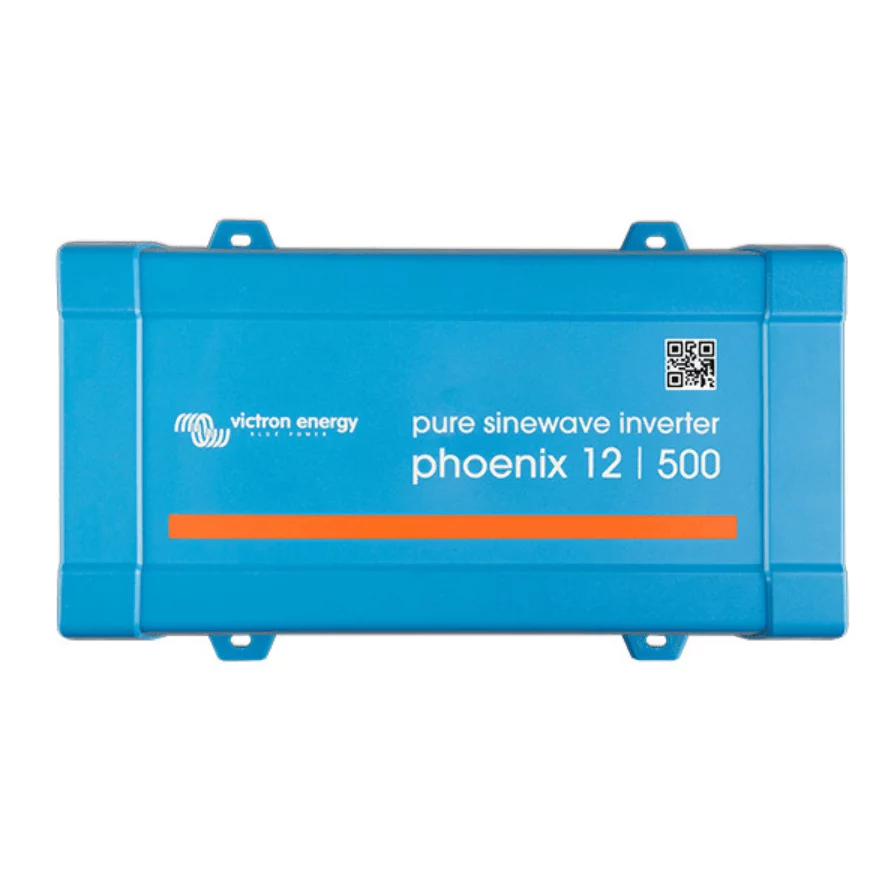
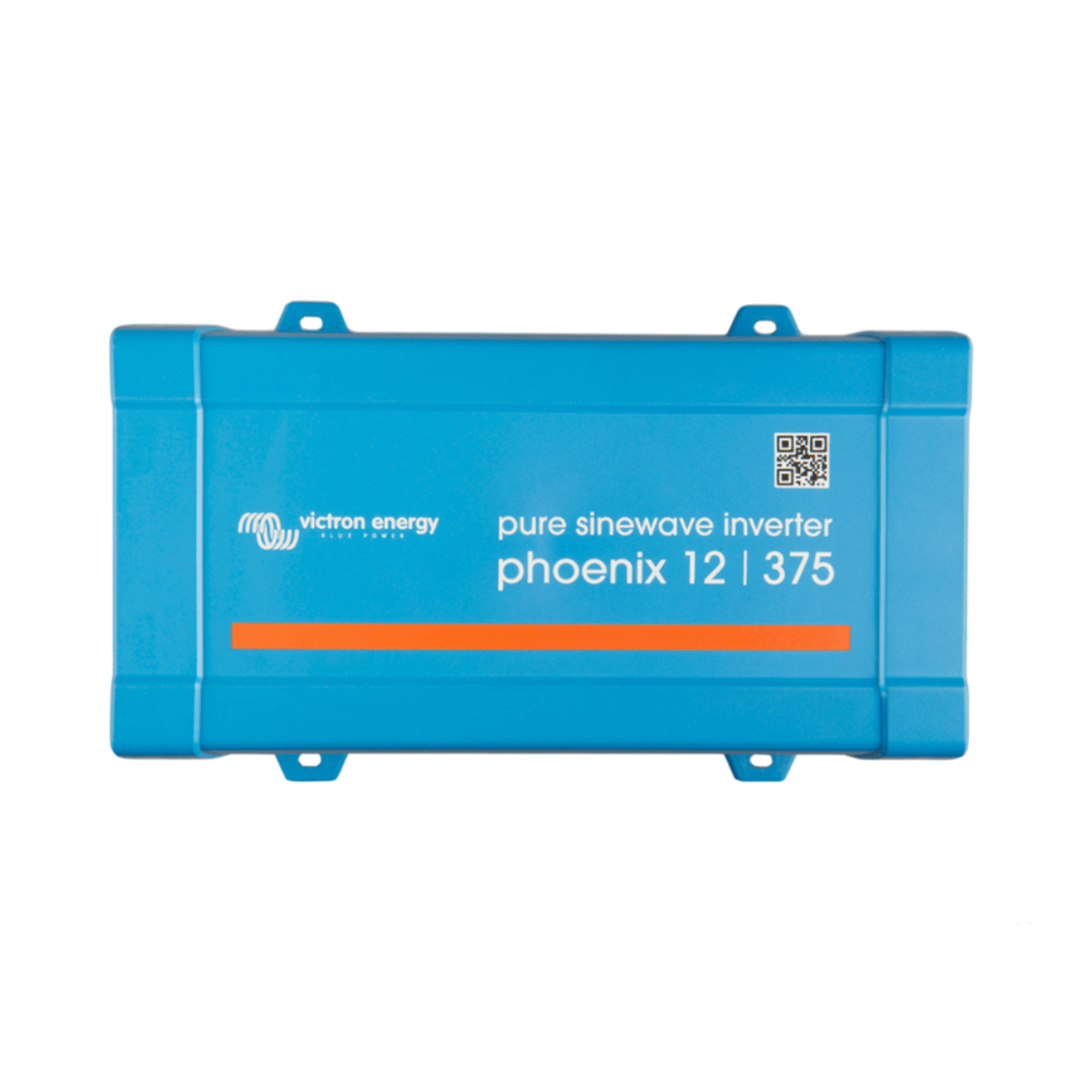
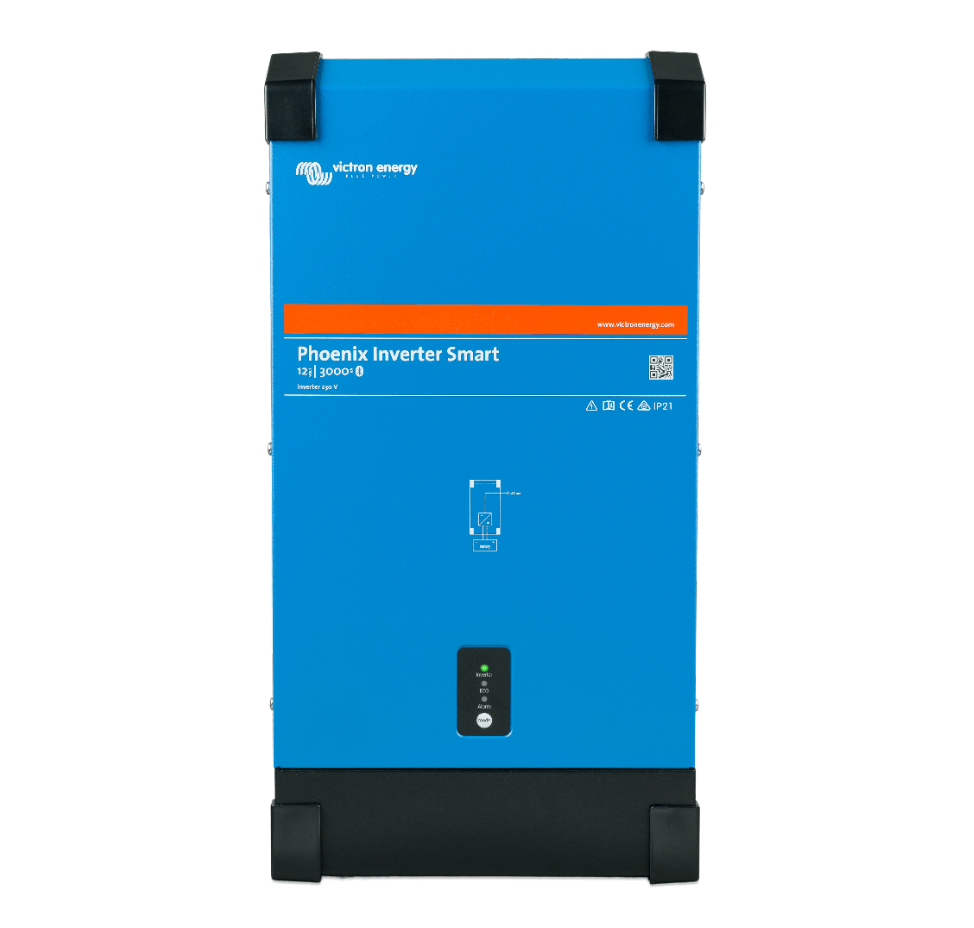
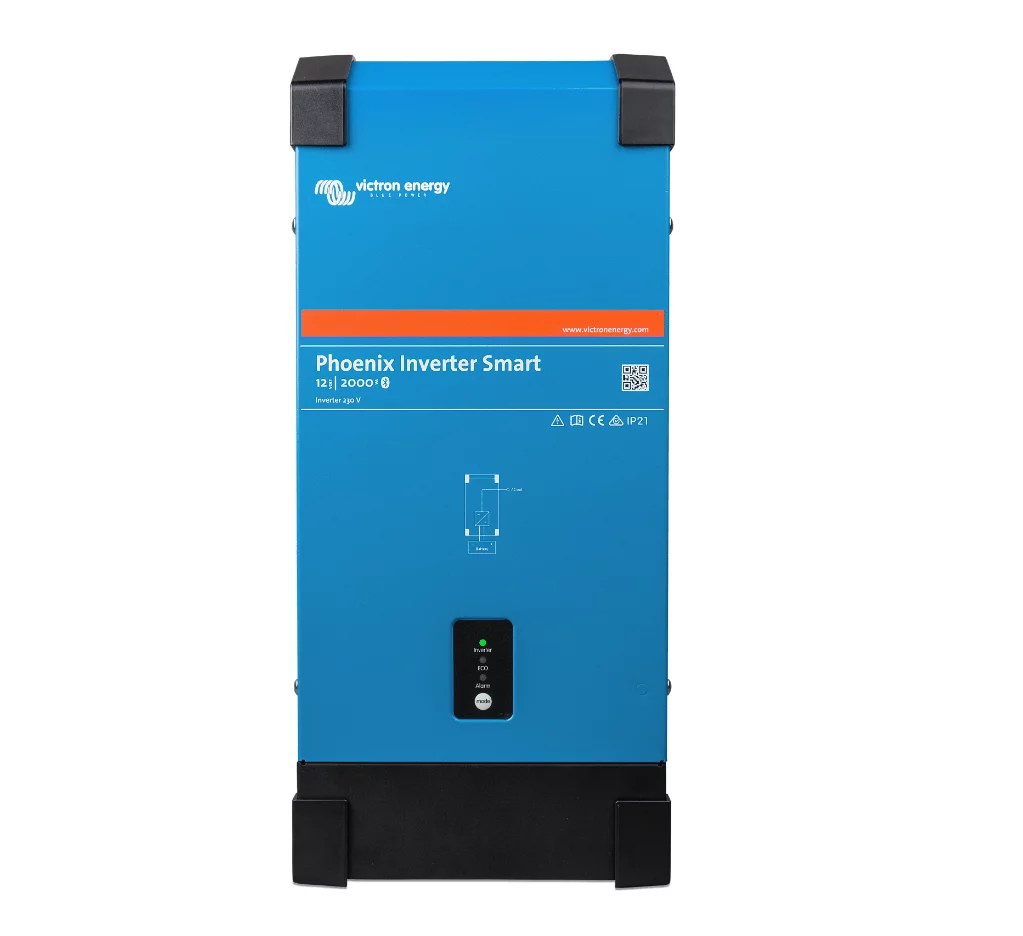
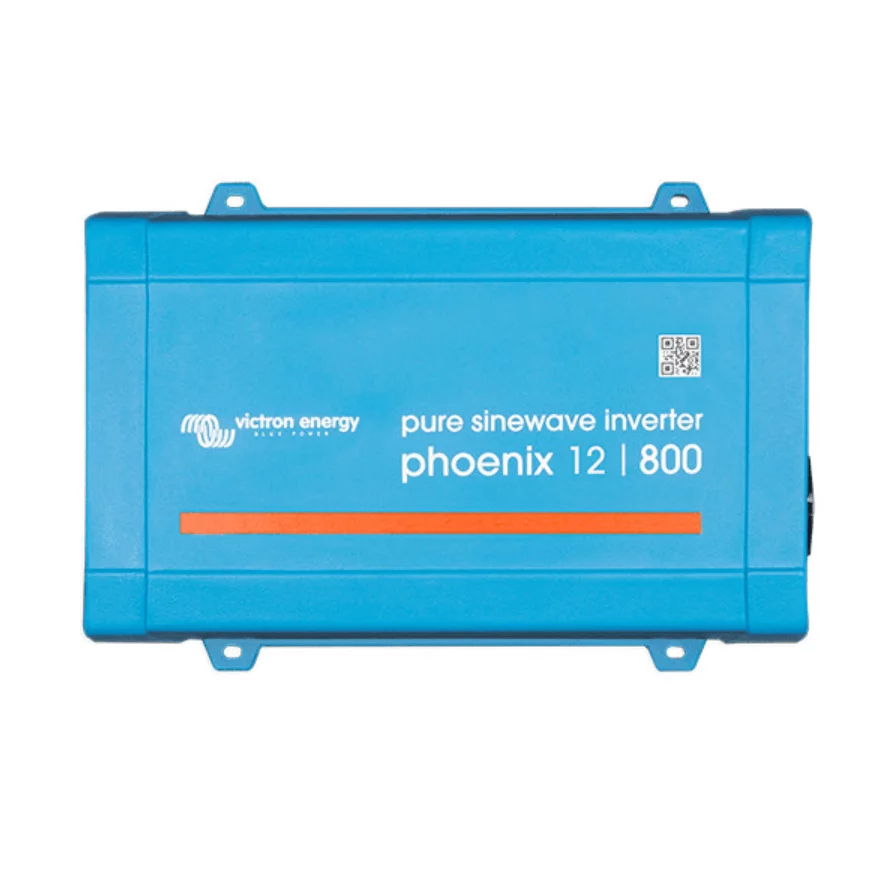
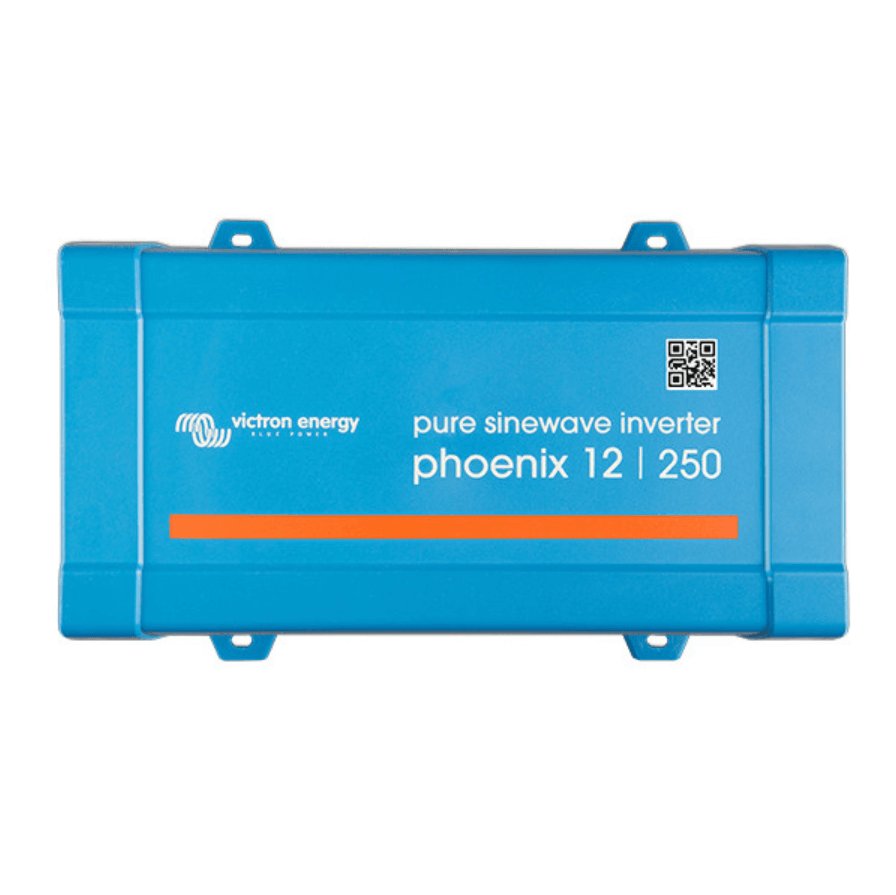
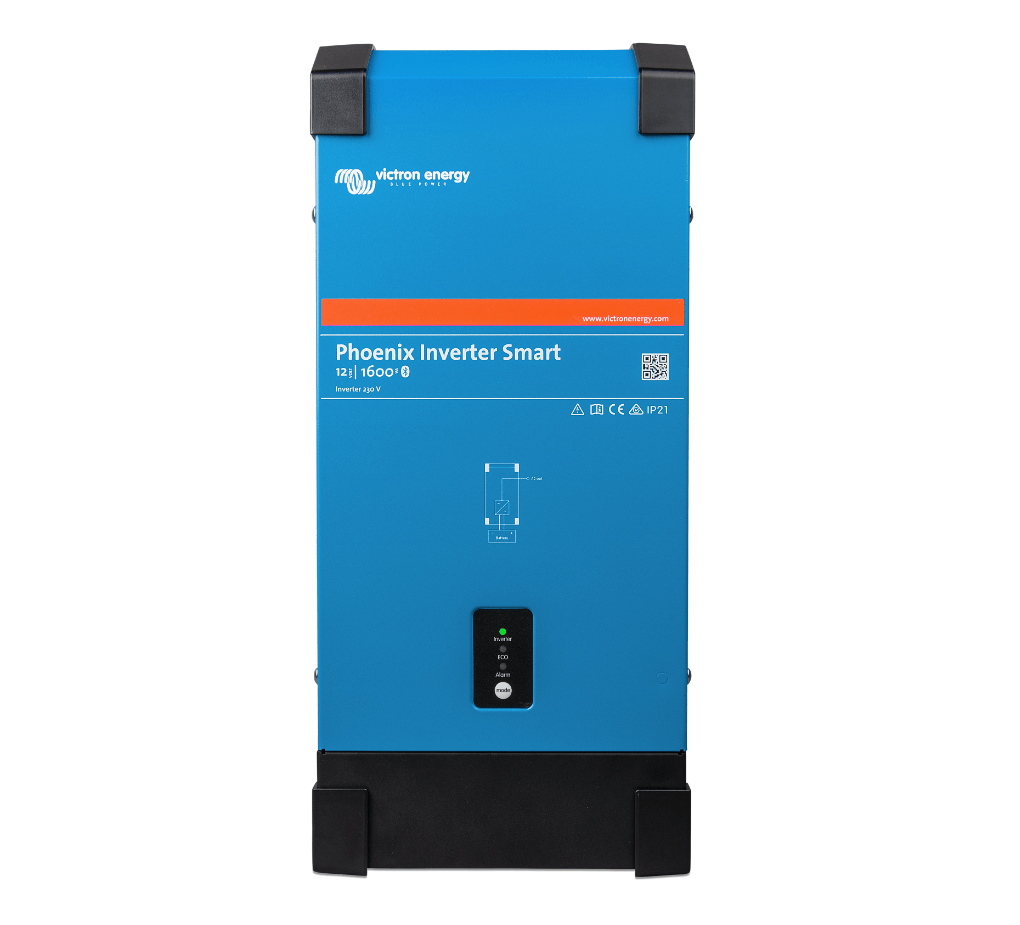
When it comes to off-grid adventures, the Victron Phoenix inverter stands out as the best option. This is because it is specifically designed to handle the demands of powering your campervan’s appliances, even when you’re far from any hook-ups. As a result, it delivers reliable and efficient performance, making it perfect for those who want to stay off-grid for extended periods.
Victron Phoenix inverters
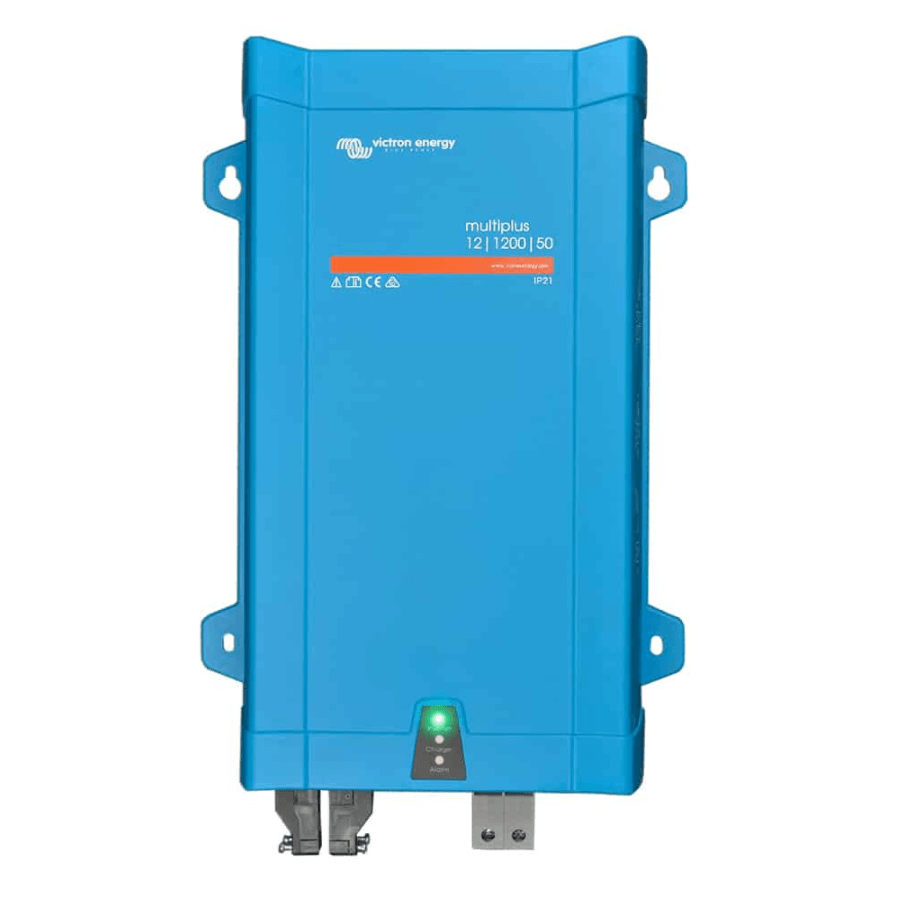
The best all-in-one campervan inverter/charger
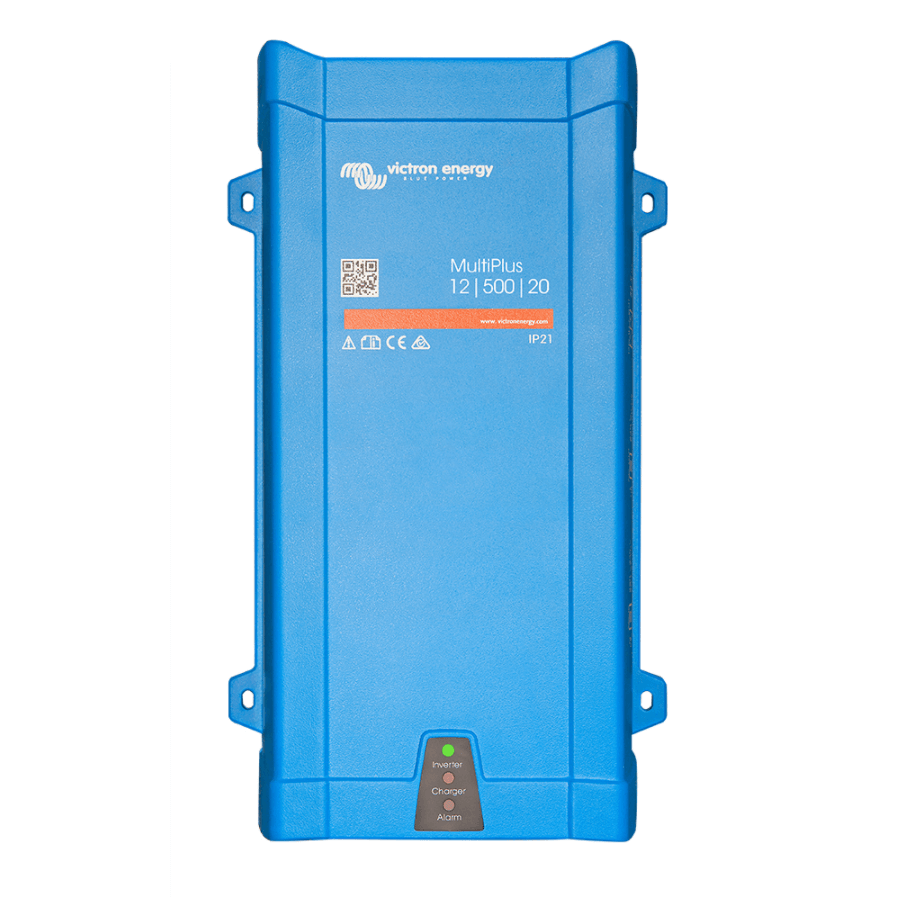
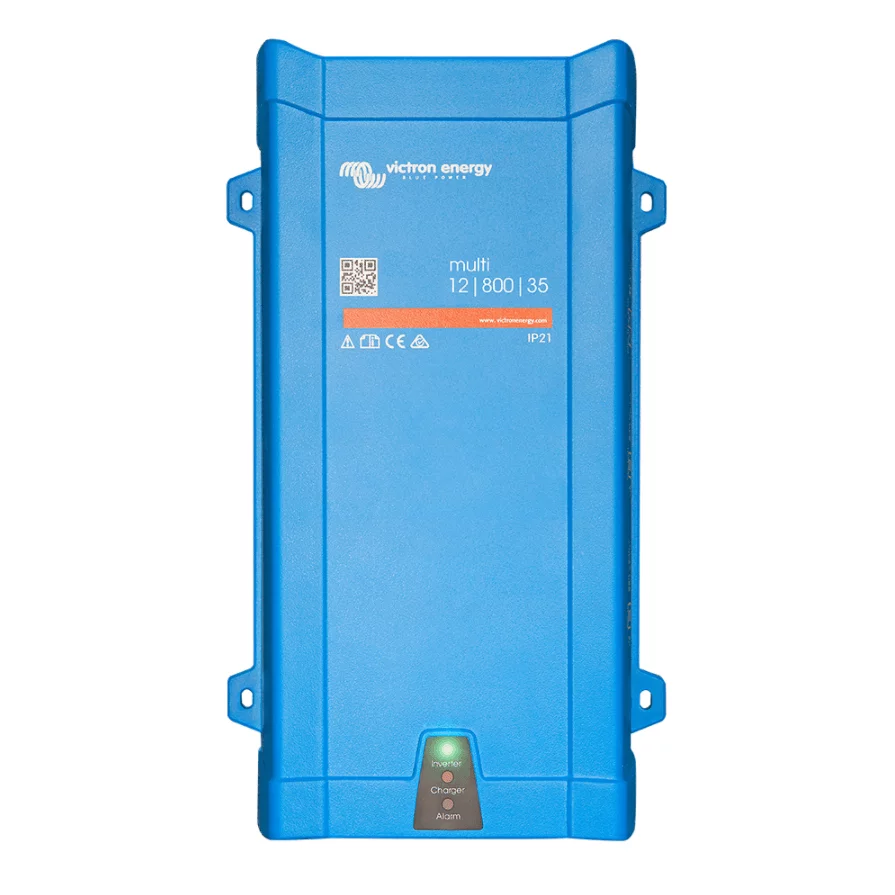
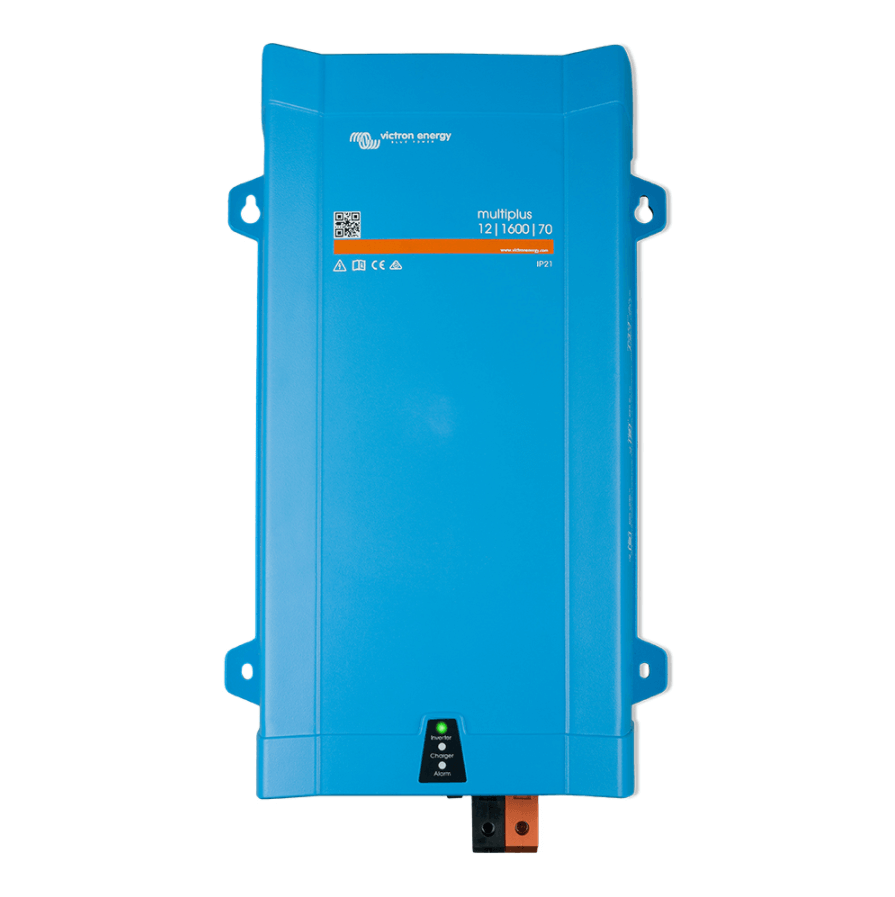
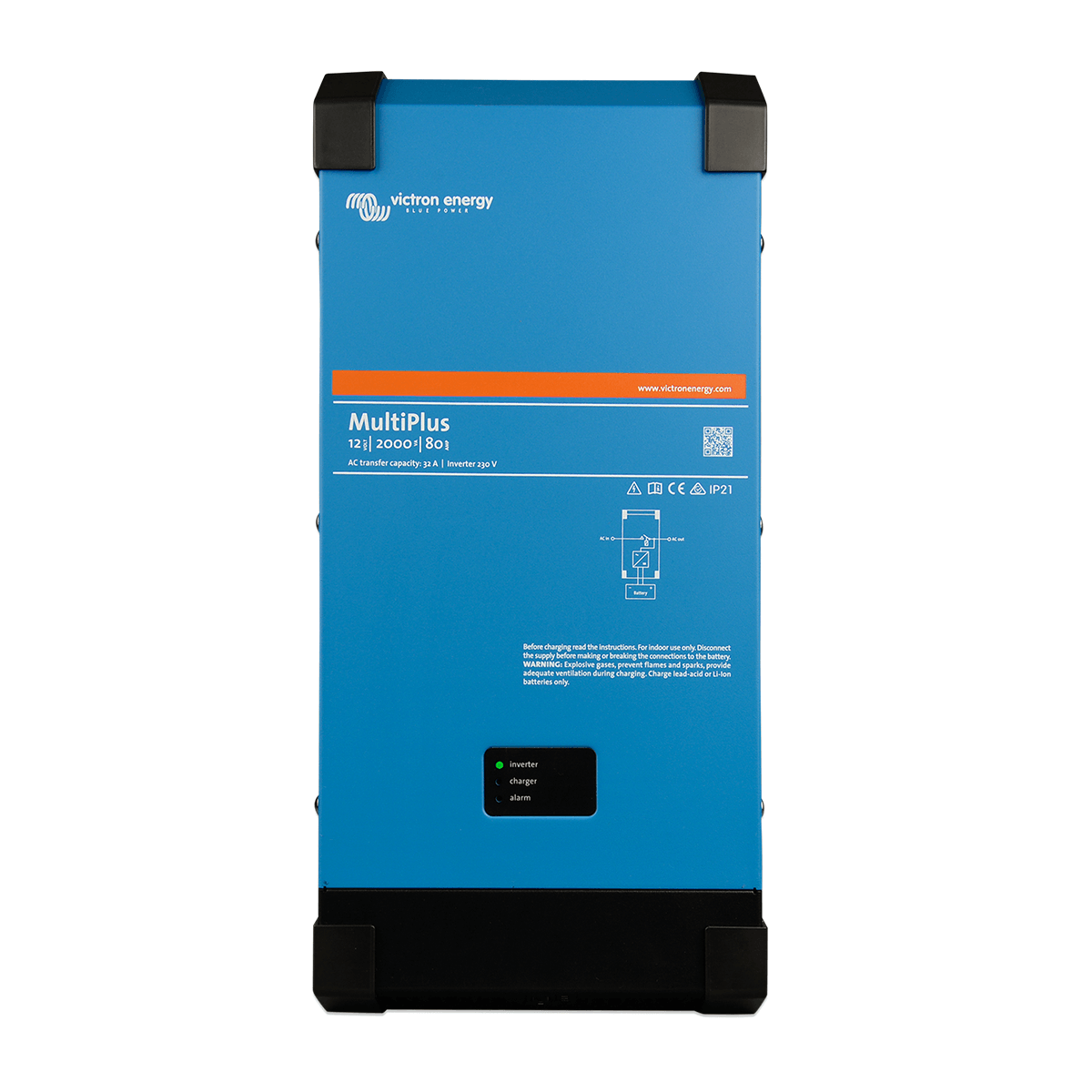
Are you after the convenience of shore power charging along with the ability to run your appliances on the road? If so, the Victron MultiPlus inverter/charger is a great all-in-one solution. With this setup, you can easily recharge your battery whenever you're connected to a campsite hook-up. At the same time, you can power all your onboard devices seamlessly. In other words, you get the best of both worlds, charging and powering without any hassle.
Victron MultiPlus inverter/chargers
The best high power camper van inverters
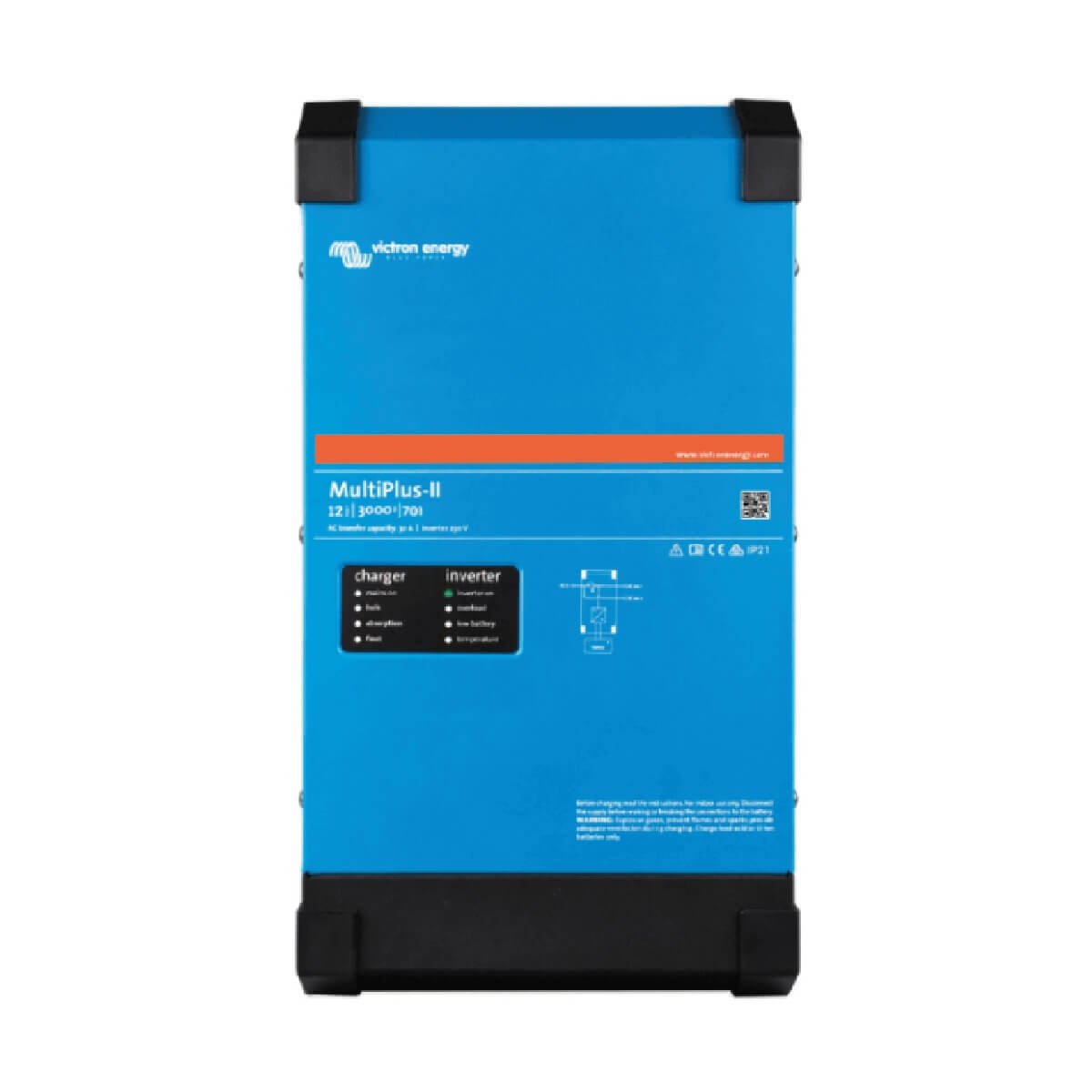
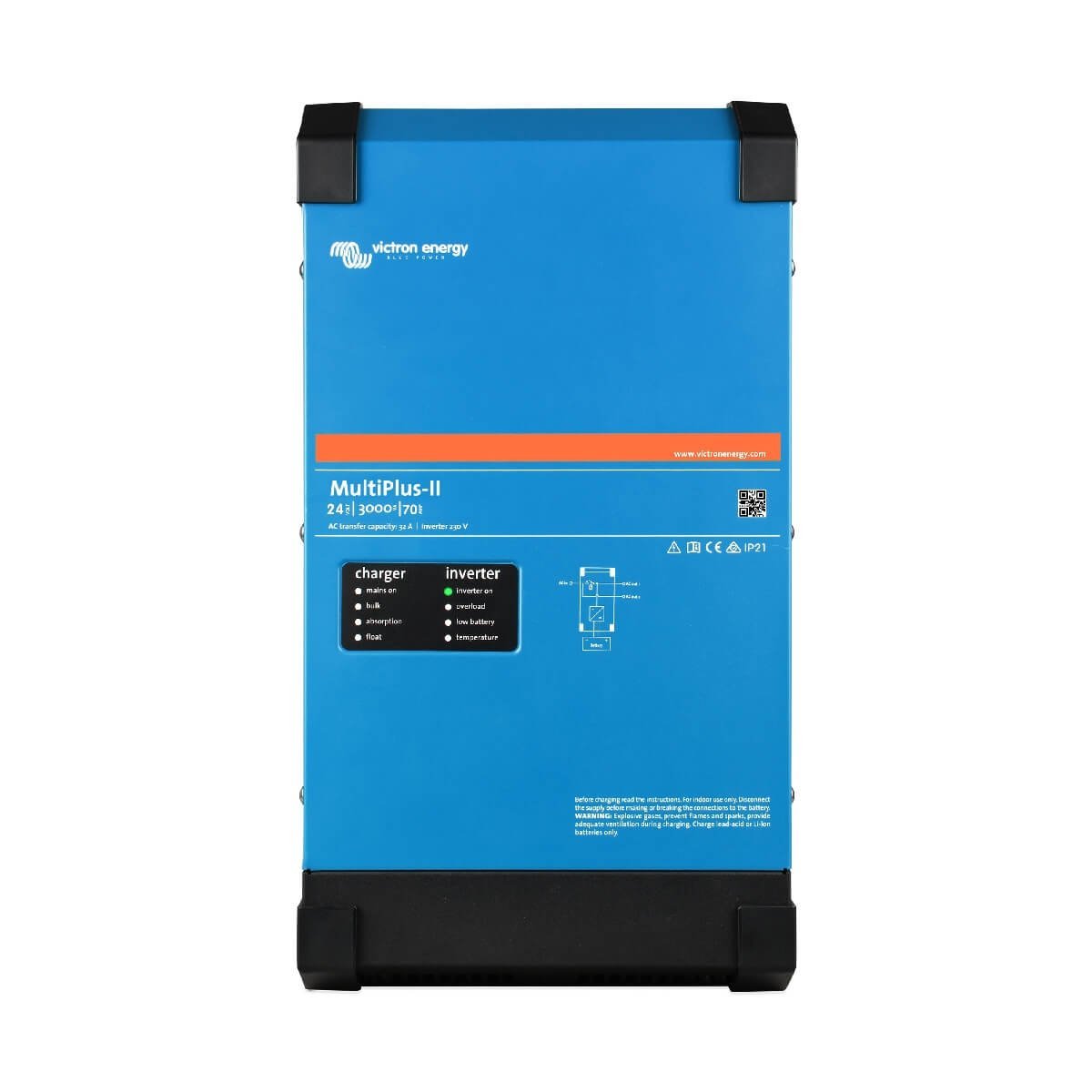
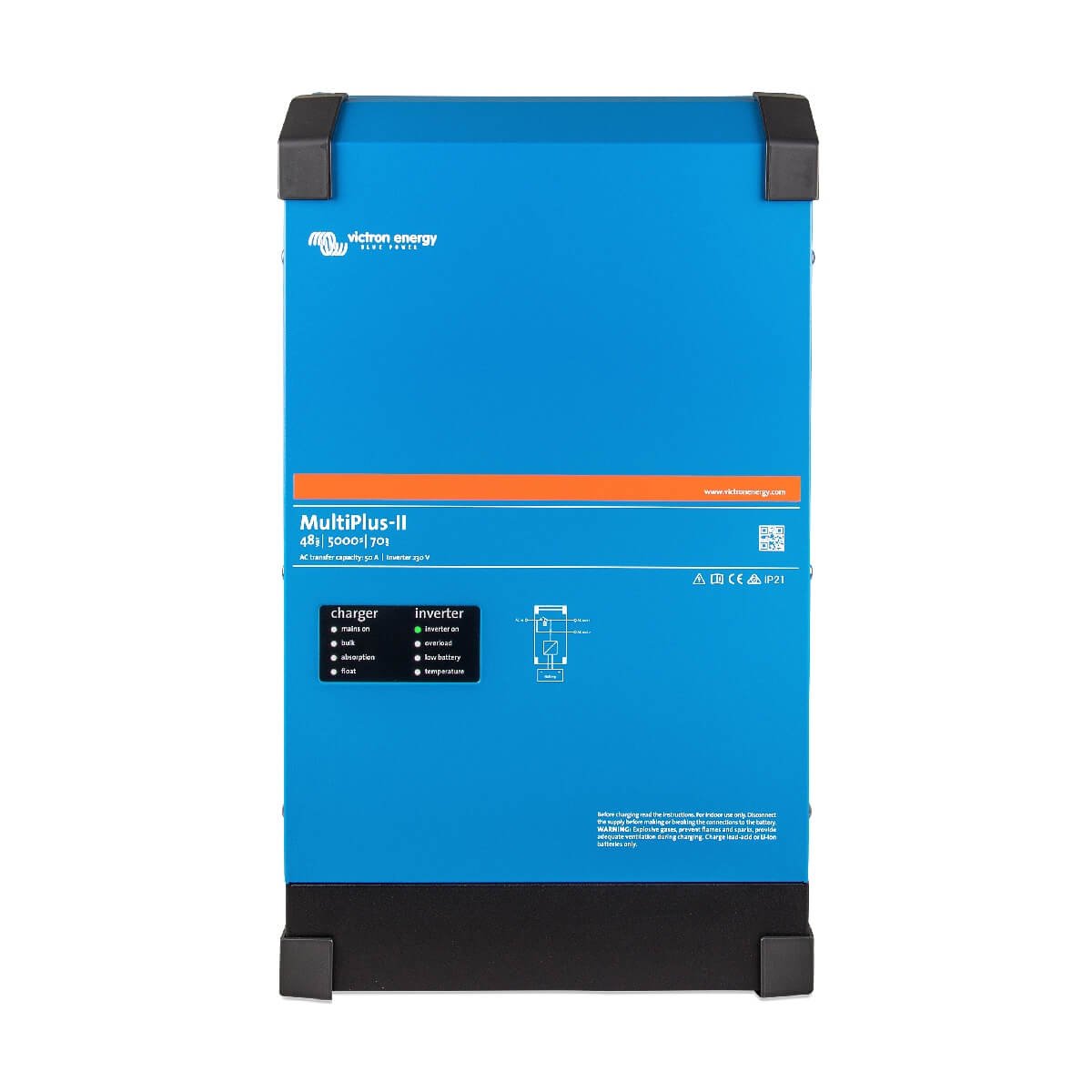
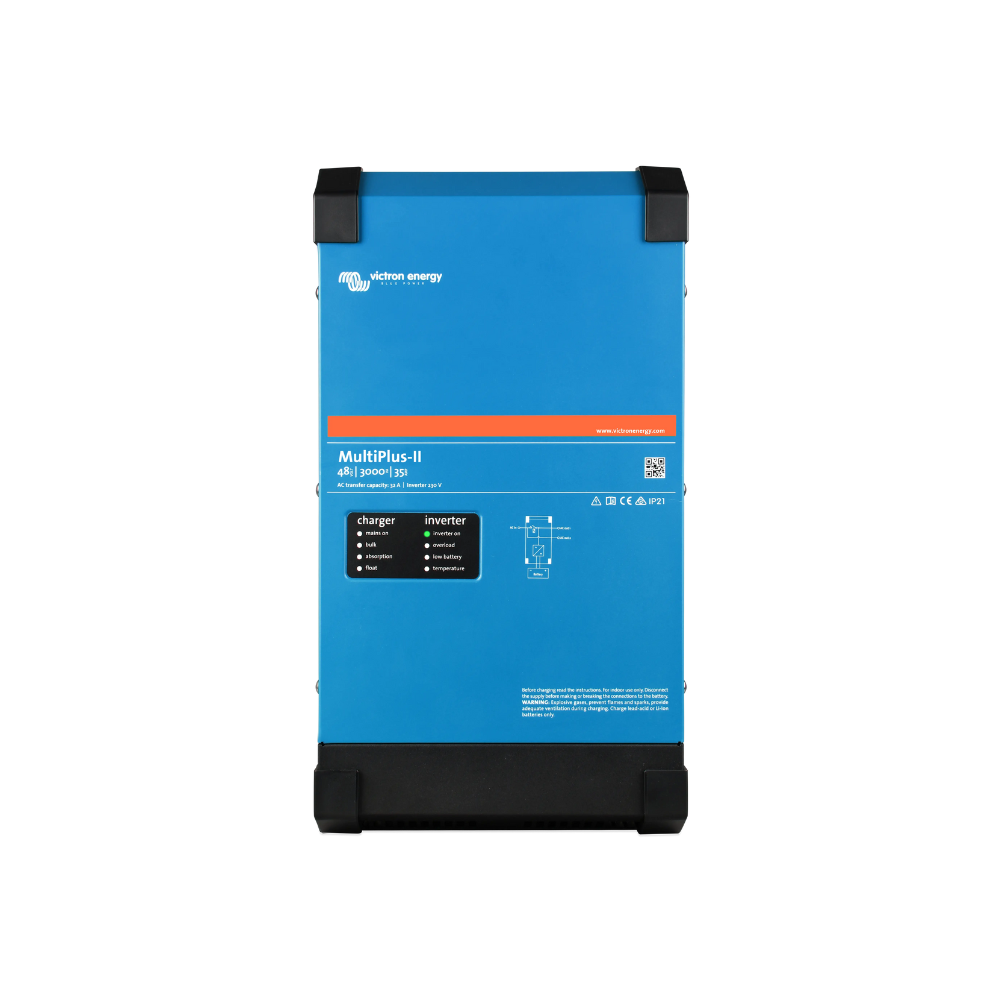
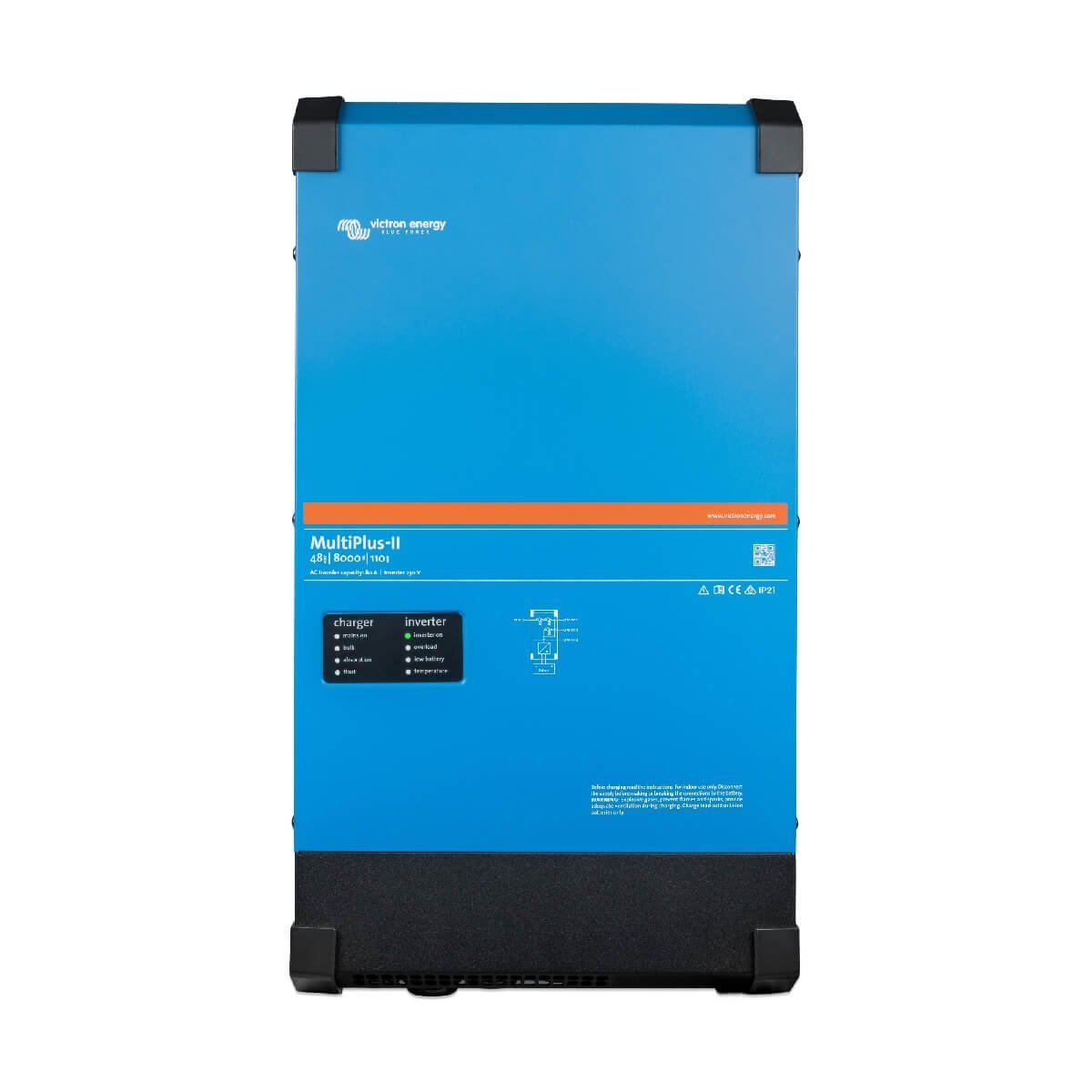
For those seeking to power multiple high wattage appliances simultaneously, the Victron MultiPlus-II 3kVA and 5kVA models are ideal. These powerful camper van inverters can handle demanding electrical loads and come equipped with large built-in 120A battery chargers. For high-power systems, we recommend installing a 24V inverter for optimal performance.
Victron MultiPlus-II inverter/chargers


How to install a camper van inverter
Wondering how to install your campervan inverter? Find our campervan wiring diagram below. In addition, we have provided step by step instructions on how to install an inverter and consumer unit. These come directly from our bestselling book, The Van Conversion Bible.
Campervan inverter wiring diagram

Connecting the inverter and consumer unit
- Ground the consumer unit to the negative bus bar, or directly to the chassis.
- Ensure the inverter is off. Connect the inverter to the RCD live and neutral input points within the consumer unit using 3 core cable. Ensure you connect the ground from the 3 core cable to the ground bar.
- Connect the live and neutral outputs from the RCD to the live and neutral inputs on any MCBs that will be in use.
- Ground the inverter to the negative bus bar.
- Connect the inverter positive battery terminal to the positive bus bar via a fuse. Connect the negative battery terminal to the negative bus bar.

Connecting plug sockets and 230V appliances
Each appliance or set of plug sockets is connected to an MCB in the consumer unit. To connect a mains plug socket:
- Connect the live and neutral from the 3 core cable to an MCB. Connect the earth to the ground bar in the consumer unit.
- Wire the 3 core cable to the socket via a pattress box. At this point, it will be hanging freely from the cable behind the plug socket. You will install it properly when you attach your cladding or ply.
- If you are running cable for an appliance that’s not yet installed, connect the cable to an MCB. However, you should leave the MCB switched off and cover the exposed cable with electrical tape. Run the cable to wherever you will install the appliance, ensuring it's labelled.
- Label each MCB in your consumer unit. This ensures you know what each one is protecting, should you need to isolate a circuit.
Connect plug sockets in a radial circuit to use a single MCB within your consumer unit (see below). You can also utilise Wago connectors if you need to connect multiple appliances or sockets to a single MCB.

Read our inverter articles ⚡
Need help with the rest of your electrical system?
Our electrical system guidebook pages cover everything you need to know about your campervan electrical system ⚡