Nigel & Sharon's off-grid VW Crafter
The brief
After renovating their house and garden, Nigel and Sharon were ready for a new project. Both keen campers, they wanted a van that would let them head away for holidays and weekends with a little more comfort than traditional camping could offer.
Their starting point was a 2022 VW Crafter CR35 Trendline MWB, previously used by painters and decorators near Doncaster. Apart from a few inevitable splashes of paint and decorating materials, the van was in excellent condition.
Now in their late 60s, Nigel and Sharon had a fairly clear idea of what they wanted from the conversion: a comfortable bed, a good-sized fridge and a cosy place to return to after a day outdoors.
Nigel & Sharon wanted a gas-free setup, so they chose an induction hob for cooking. This meant the electrical system was designed to support remote stays, so they wouldn't have to rely on campsites or regular hook-ups.
Nohma engineer Dan estimated the daily consumption to be 2,291Wh, or 89Ah per day. This included everyday loads such as the fridge, induction hob, lighting, roof fan, water pump, phone and iPad charging and the occasional use of a hair dryer.
With that figure established, the electrical system could be sized around their actual expected use, with enough battery storage and multiple charging options to make off-grid stops possible.


The van
Nigel and Sharon chose a VW crafter as the base of their project. Reclaimed pallet wood was used across the ceiling, with solid oak for the worktop and table and a wood-effect floor underneath. One of the biggest challenges they faced was fitting the interior neatly around the Crafter's curves.
They found themselves learning on the job with The Van Conversion Bible providing ideas, practical guidance and a point of reference throughout the conversion.
Now their hard work allows them to enjoy their perfect day in the van, driving down to Dartmoor, taking their dog Nellie for a long walk, cooking dinner outside over the fire pit and then settling into a warm and cosy van for the night.
The electrical system
The system was designed around three priorities: enough stored energy for several days off-grid, reliable charging from solar, alternator and shore power, and enough inverter capacity to run mains appliances like the induction hob.
| Vehicle | 2022 VW Crafter CR35 Trendline MWB |
| Use case | Holidays and weekends away, including off-grid camping |
| Daily power usage | 89Ah/day |
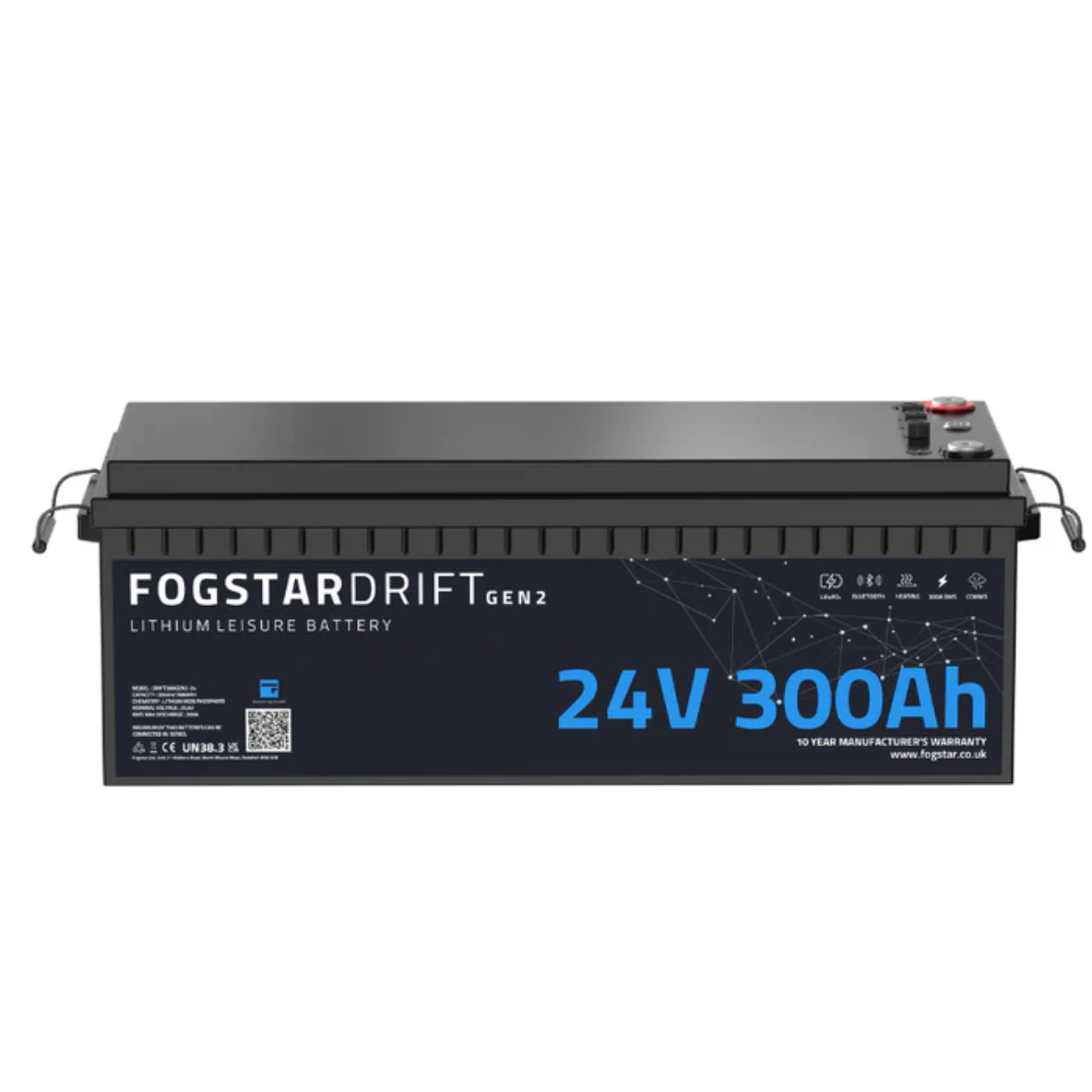
| Battery | 280Ah 24V lithium |
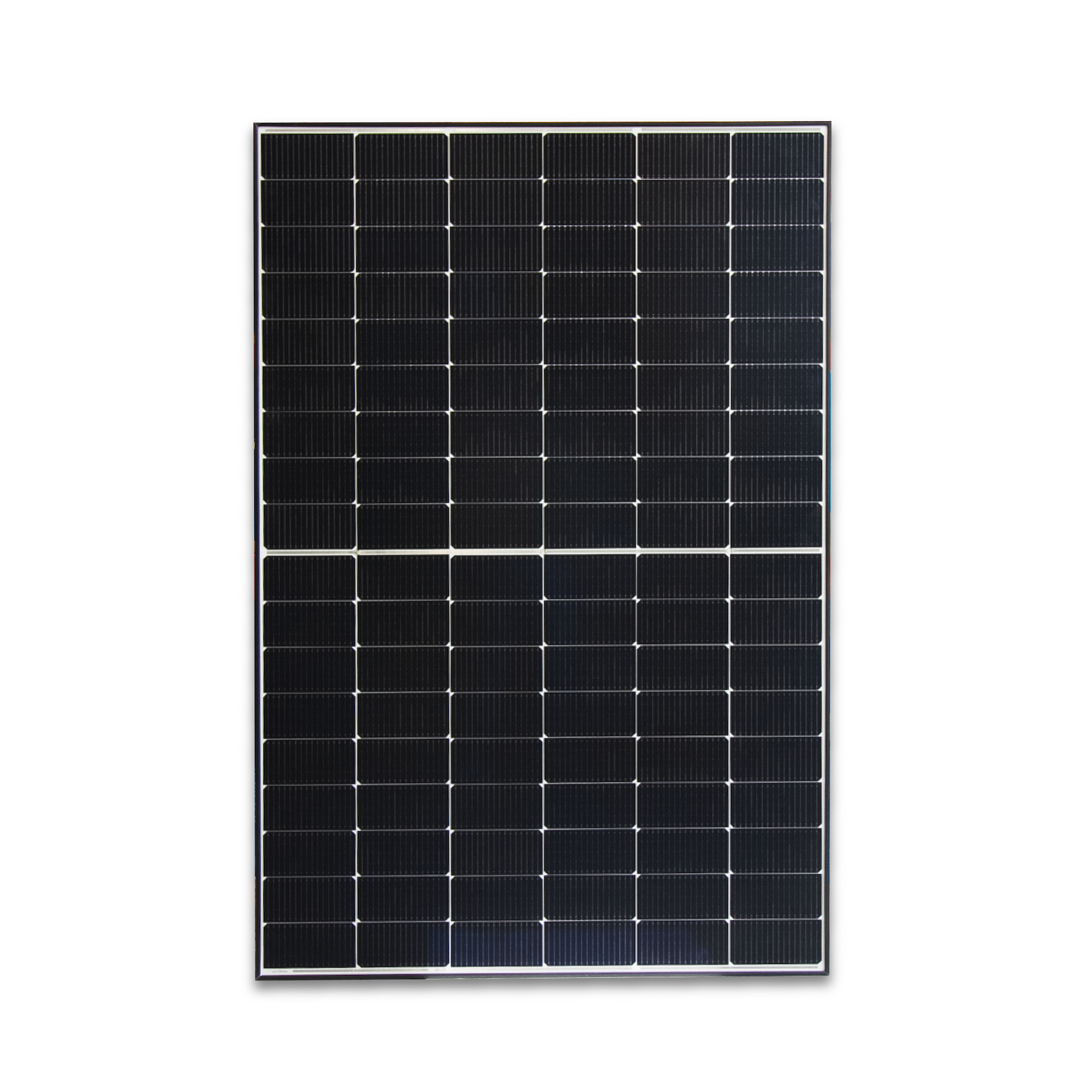
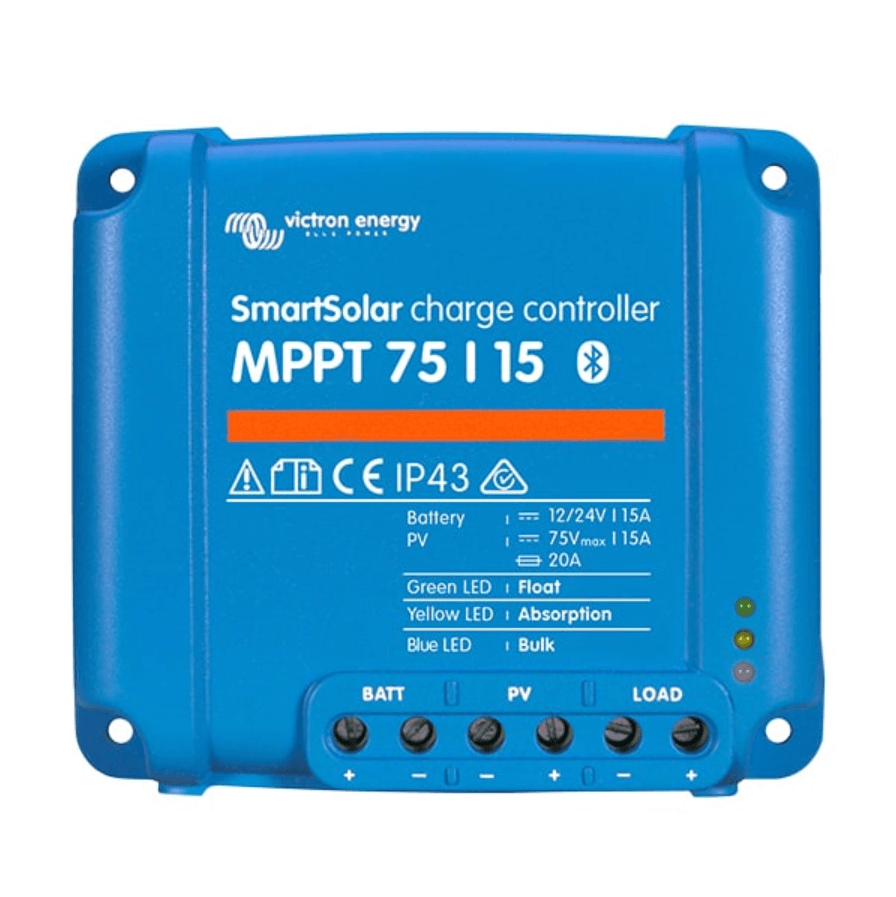
| Solar | 440W JA Solar |
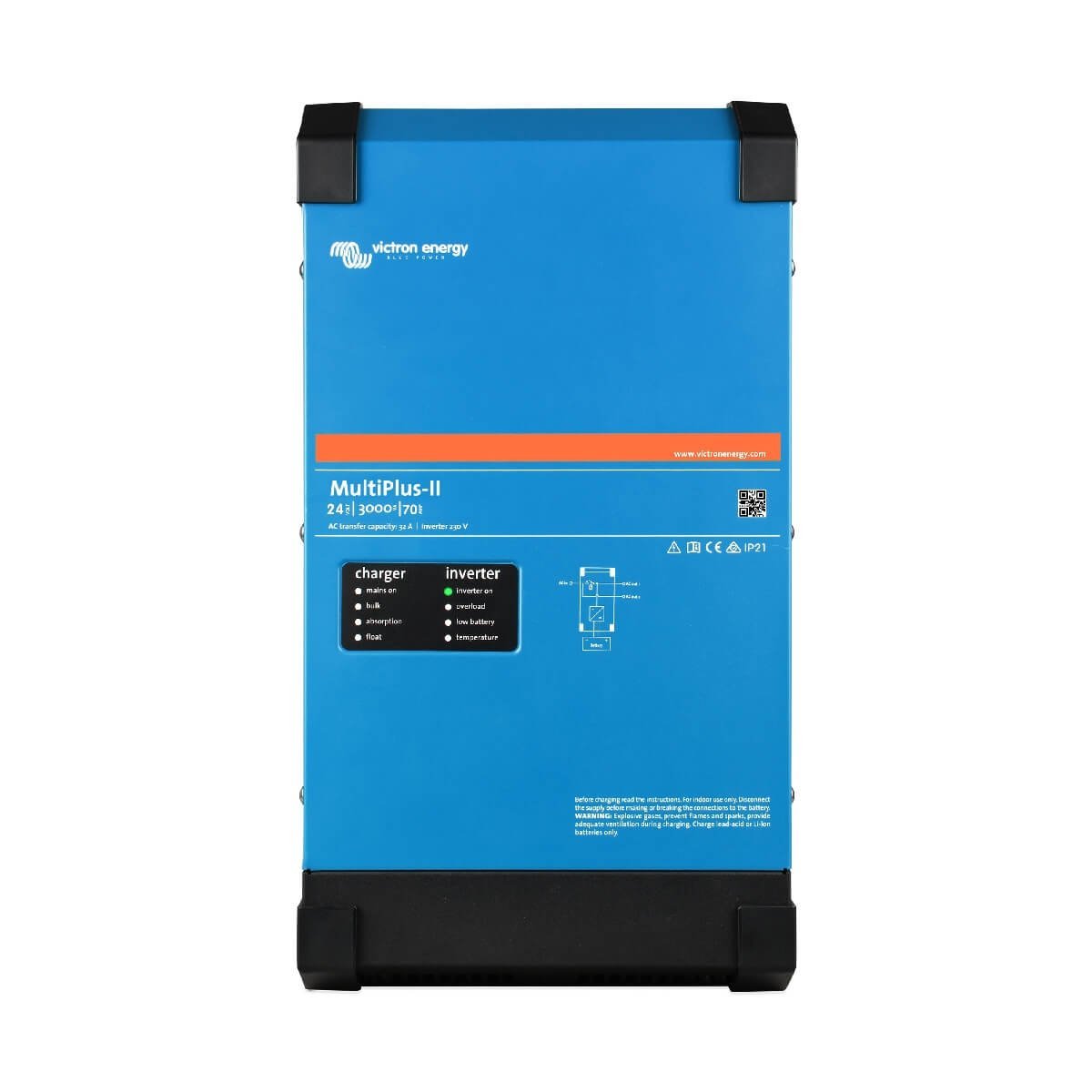
| Inverter | 24V 3000VA MultiPlus |
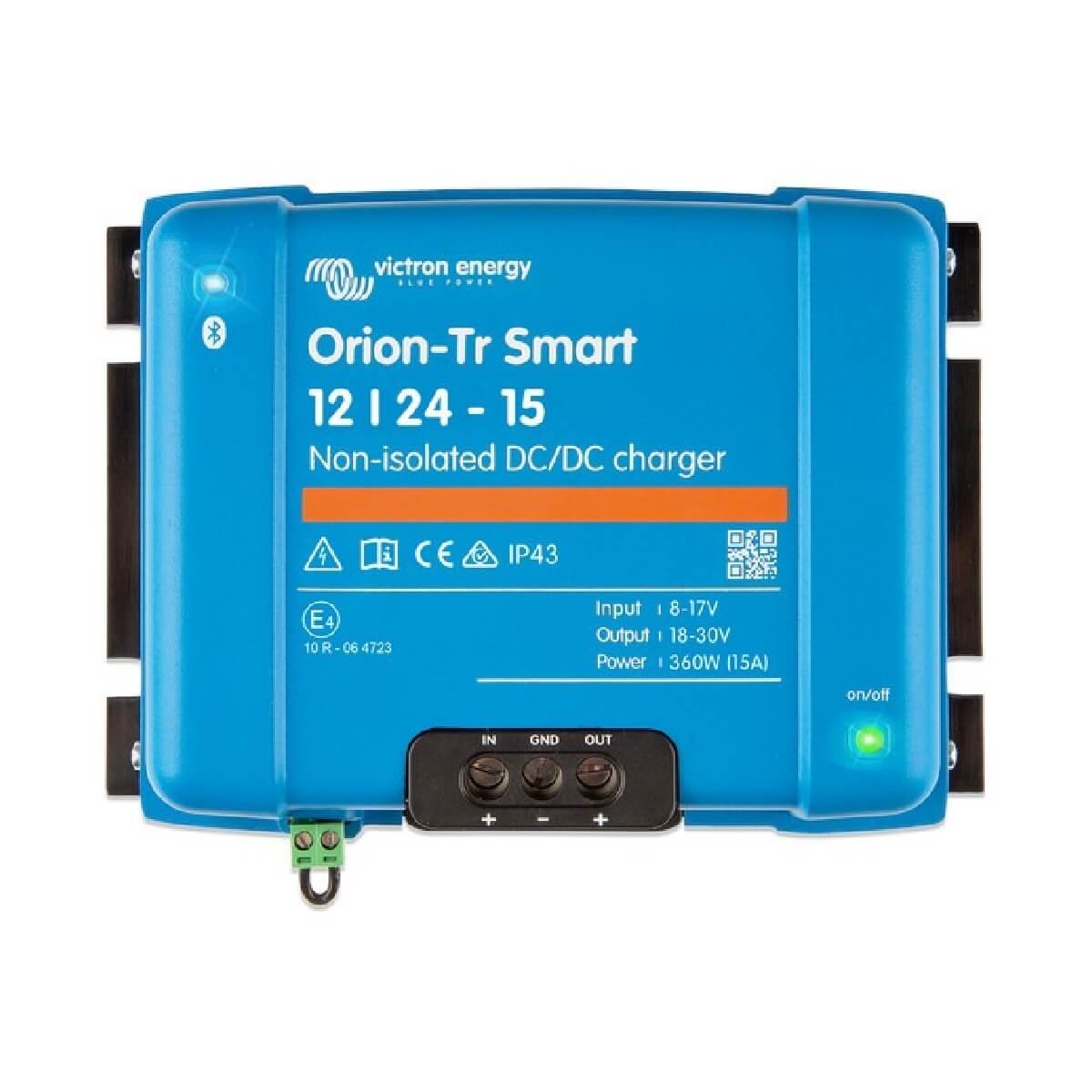
| Alternator charging | 12/24-15A DC-DC |
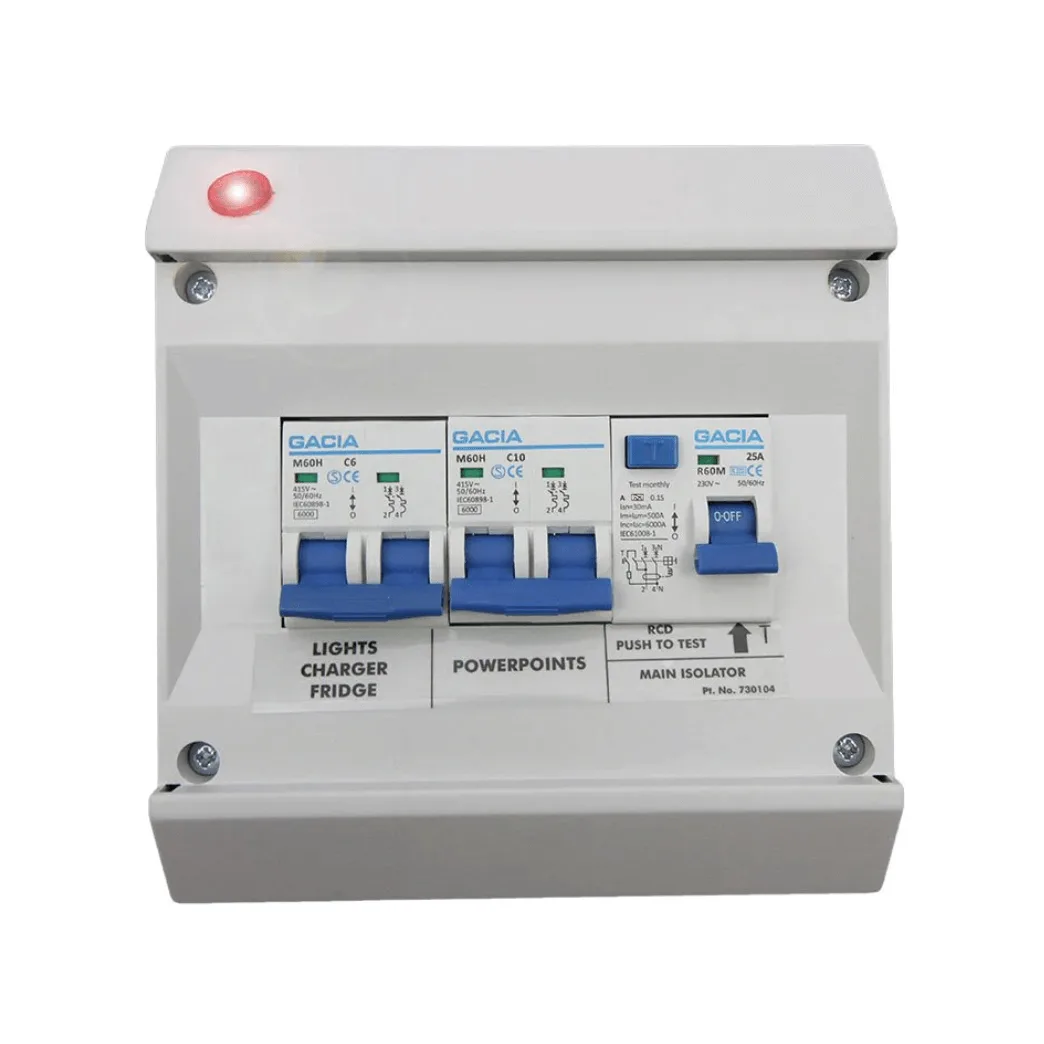
| Mains charging | Via inverter/charger |
| High-powered AC appliances | 2400W Induction hob |
| Other loads | 50L fridge, iPad chargers, hair dryer, phone chargers, water pump, roof fan |
Why we designed it this way
🔋 280Ah 24V lithium battery
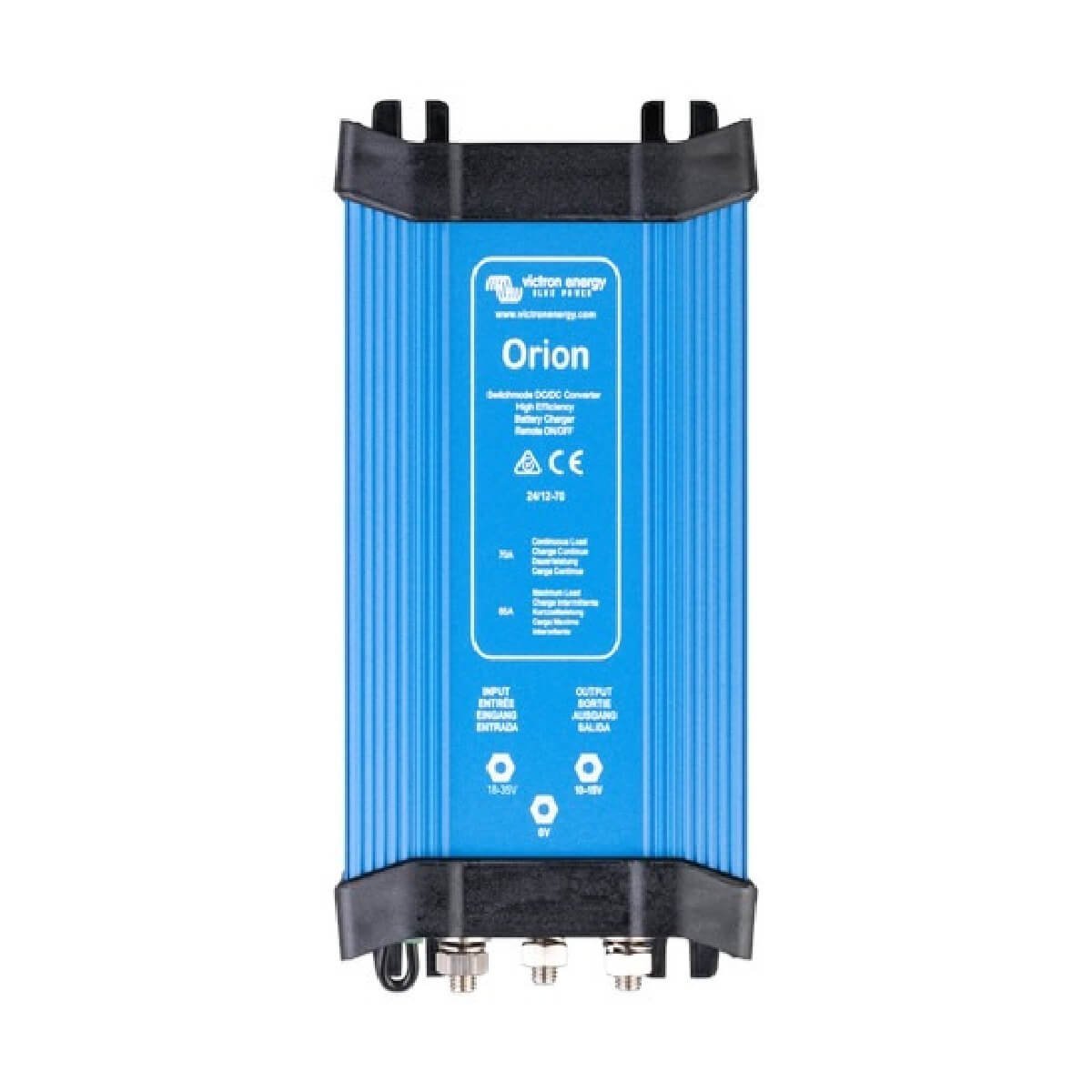
Nohma calculated their expected electrical demand and specified a 24V system centred around a 280Ah 24V Fogstar Drift Lithium battery. Using a 24V battery system helps keep current lower when supplying higher-power equipment through the inverter, while a dedicated Victron converter provides 12V power for the van's lower-voltage loads.
☀️ 440W solar
A single 440W JA Solar panel provides the main source of charging whilst the van is stationary.
For their style of travel, this is particularly useful because much of their time off-grid may be spent parked rather than driving regularly. Solar can therefore cover a significant proportion of their everyday consumption without them needing to run the engine or find electric hook-up.
⚡ 3000VA 24V inverter/charger
The largest significant mains load was their 2400W Induction hob.
The 3000VA 24V MultiPlus inverter/charger comfortably covers this and their other AC appliances. This is a good example of why we size systems around the appliances they'll actually be powering, rather than simply including the largest inverter available.
🚐 12/24-15A DC-DC charging
The DC-DC charger provides alternator charging while driving. Combined with solar and mains charging, this gives Nigel and Sharon three different ways to replenish the battery depending on how they're travelling.


What does the system power?
The electrical system supports everything Nigel and Sharon need for their trips.
Their main loads include:
- 2400W Induction hob
- 50L compressor fridge
- iPad chargers
- Hair dryer
- Speaker
- Lighting
- Water pumps
- Roof fan
- Other smaller 12V and USB loads
Installing the system
Nigel installed the electrical system himself using Nohma's wiring diagram and step-by-step installation guide. As this was his first van conversion, having a complete system design helped remove the uncertainty around component selection and how everything should be connected. Nohma's technical team was also on hand during the installation, with Huey providing support over video calls to help programme the Victron equipment and check the connections.
Living with the system
The finished system has worked well for the way Nigel and Sharon actually use the van. It comfortably supports their trips and everyday electrical loads, while the combination of solar, alternator charging and a large lithium battery means they rarely need to rely on electric hook-up.
The additional battery capacity is particularly useful when they're staying in one place for longer periods, giving them more flexibility when solar conditions aren't ideal and they aren't driving regularly.
Nigel's verdict

The service provided by Huey was outstanding. On a couple of video calls, he helped me programme the Victron MultiPlus and the chargers as well as generally checking that I had made all the right connections.
Nigel & Sharon, Nohma customer
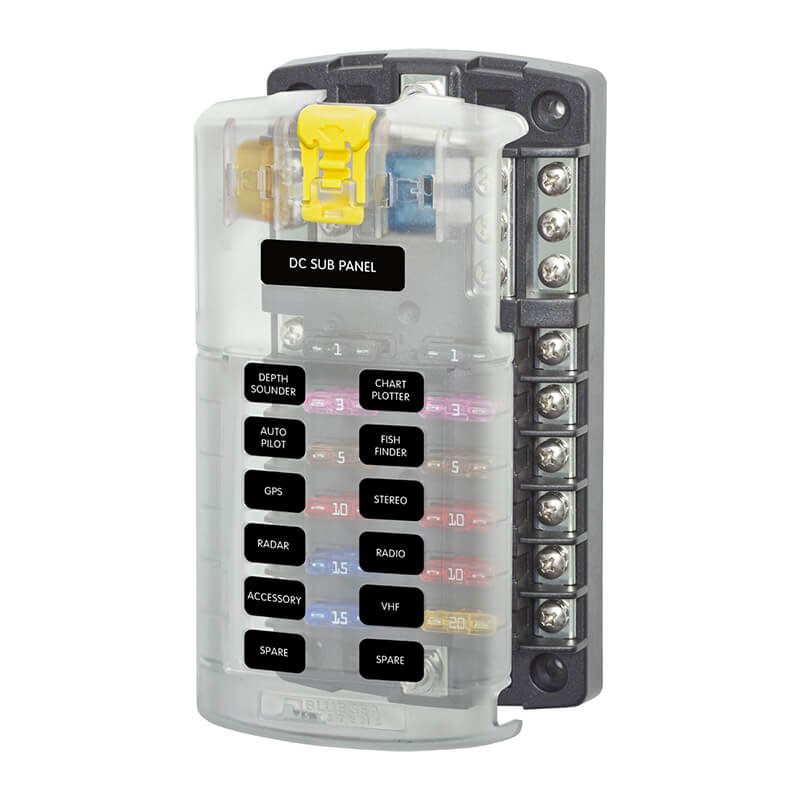
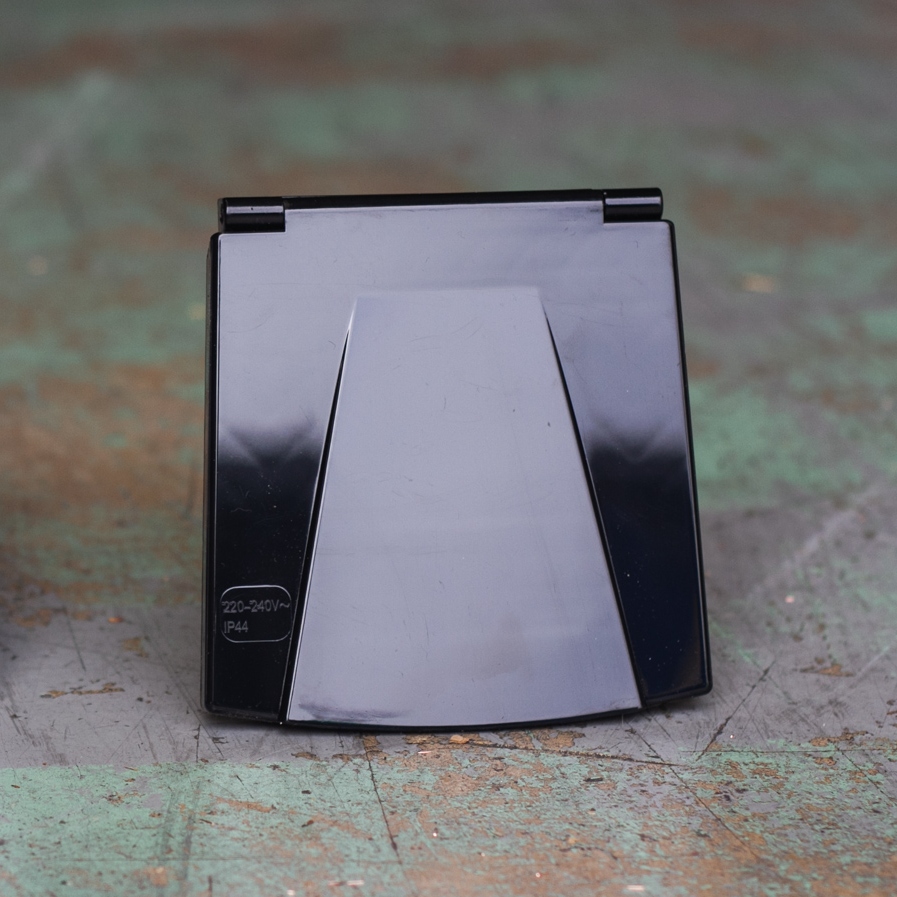
System components ⚡️
Planning something similar?
If you're building a campervan for long-term travel, remote work or extended periods off-grid, the right electrical system depends on much more than battery size alone.
We design each system around your appliances, expected energy use, charging opportunities and the way you actually plan to travel.
Campervan electrics leaving you confused?