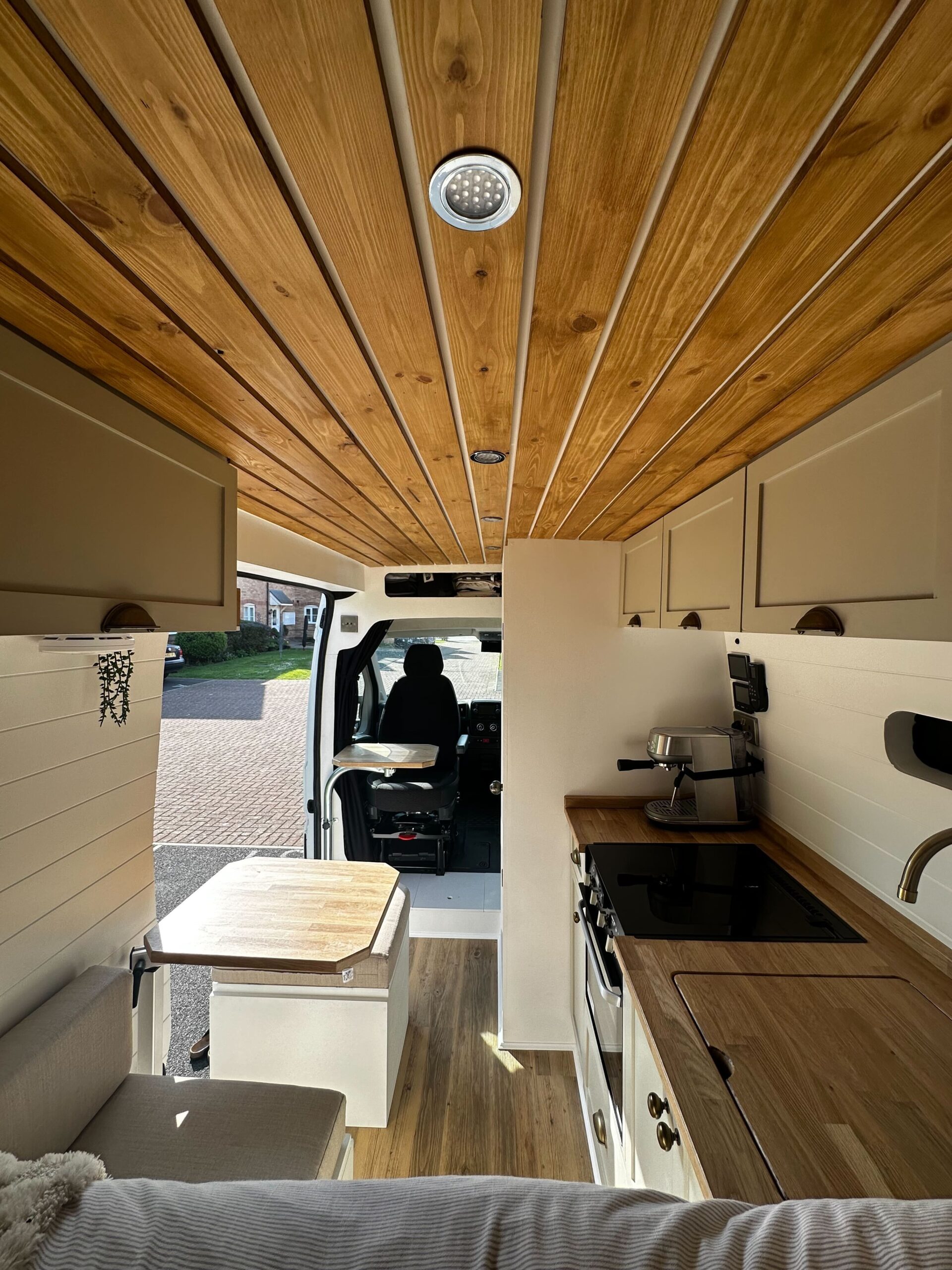
Becky & Millie's off-grid Peugeot Boxer
The brief
Having already spent time travelling in a previous van, Becky and Millie had a much clearer idea of what they wanted from their second conversion. This build needed to work for longer trips, including full-time remote work, whilst giving them the freedom to stay off-grid in one place for extended periods.
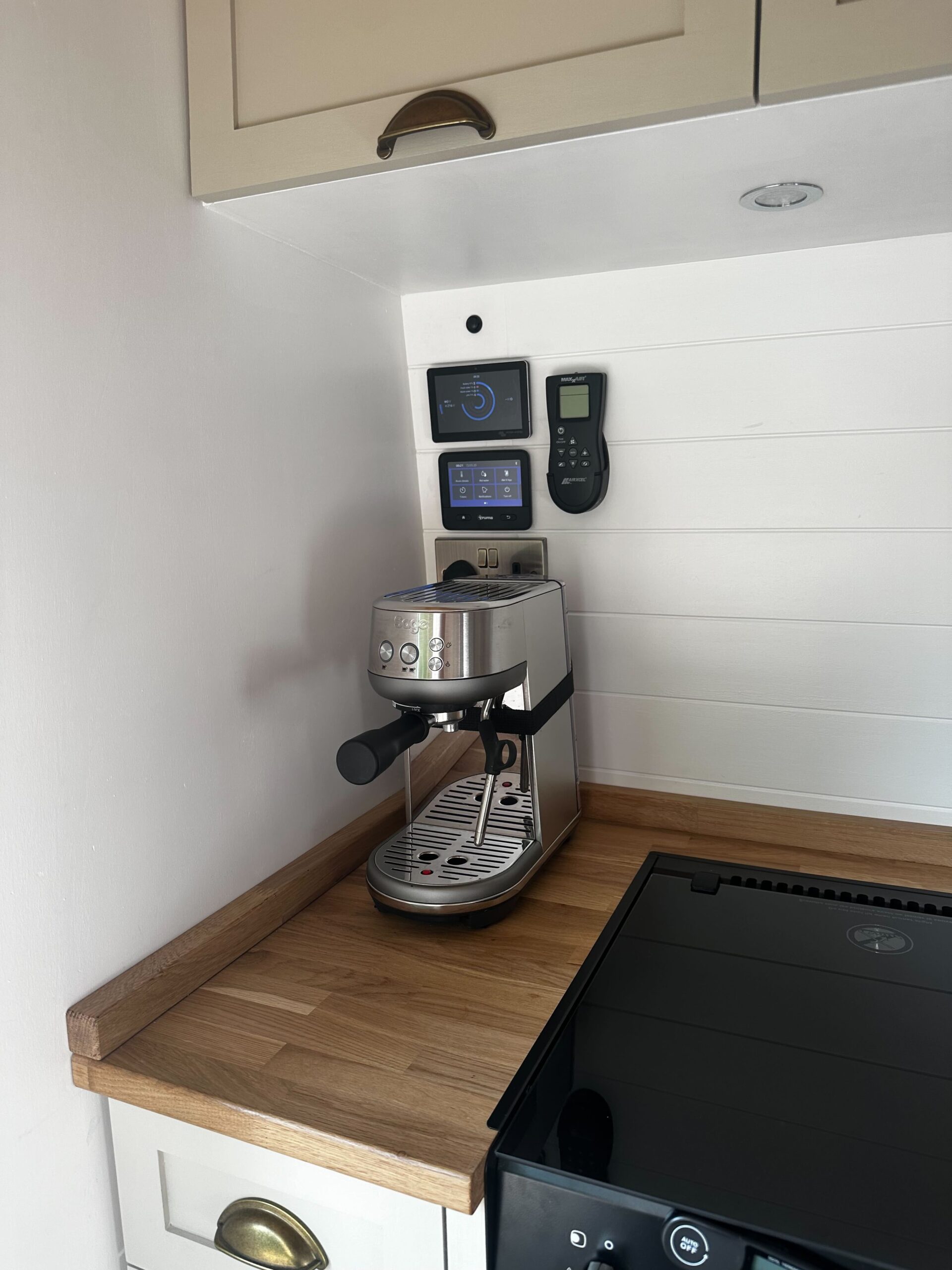
Their daily electrical consumption was calculated at 95Ah per day, with the main higher-power appliance being a 1600W Bambino coffee machine. Other loads included a 50L compressor fridge, laptop chargers, a blender, projector, speaker and the usual lighting, pumps and smaller 12V equipment.
They opted for gas for their cooking setup, so this meant they didn't need to factor in higher-powered induction hobs or ovens into the electrical requirements.

The van
Their conversion is based on a Peugeot Boxer and was designed around long-term travel rather than occasional weekends away.
Alongside the electrical system, Becky and Millie included comforts they knew mattered to them after living in their previous van, creating a space that could work as both a home and a place to work remotely.
The electrical system
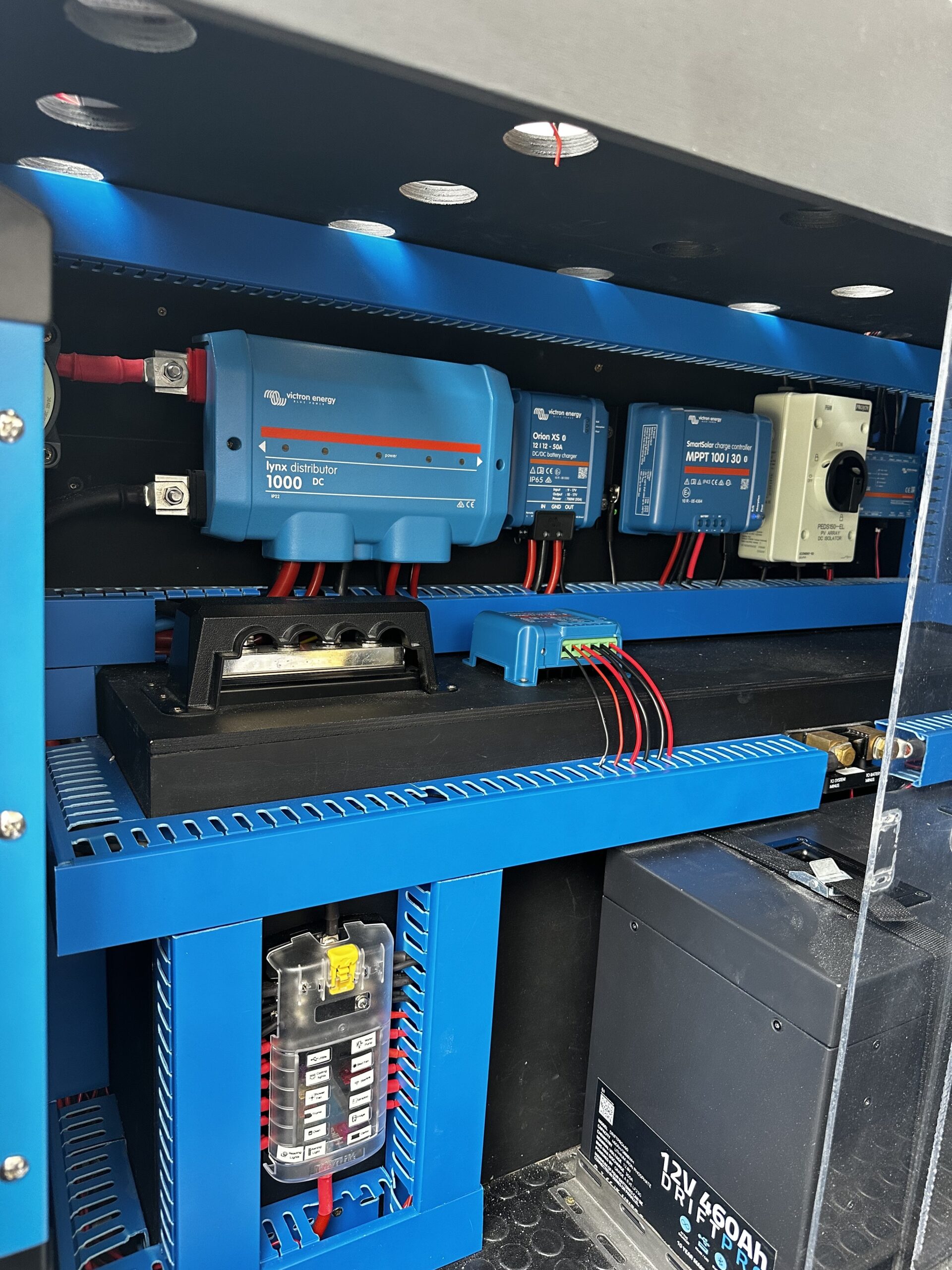
The system was designed around three main requirements: enough stored energy for prolonged periods off-grid, reliable charging from multiple sources, and sufficient inverter capacity for their mains appliances without specifying equipment they didn't need.
| Vehicle | Peugeot Boxer |
| Use case | Long-term travel and full-time remote work |
| Daily power usage | 95Ah/day |
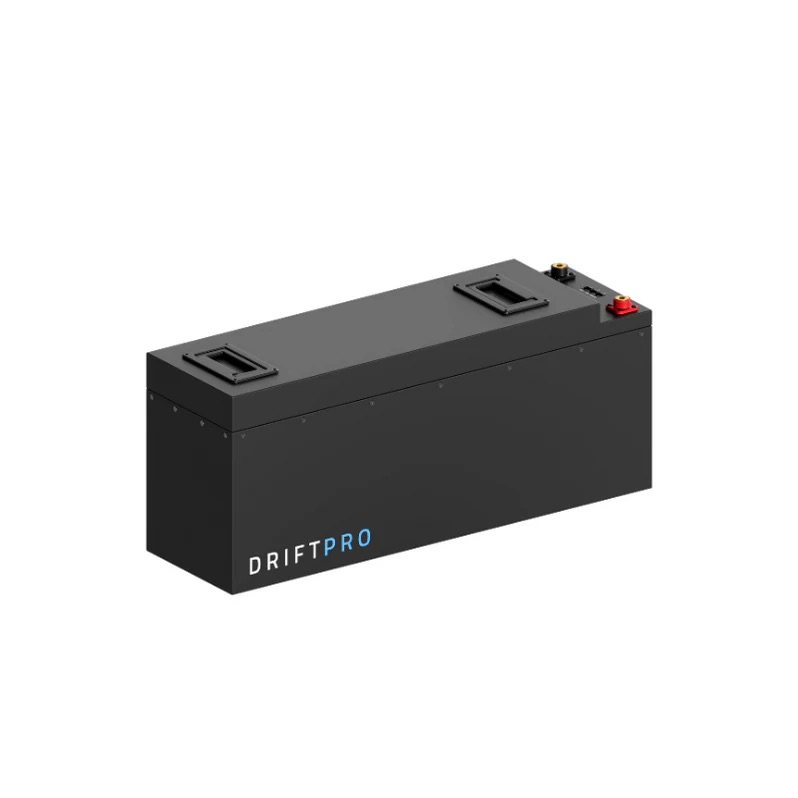
| Battery | 460Ah lithium |
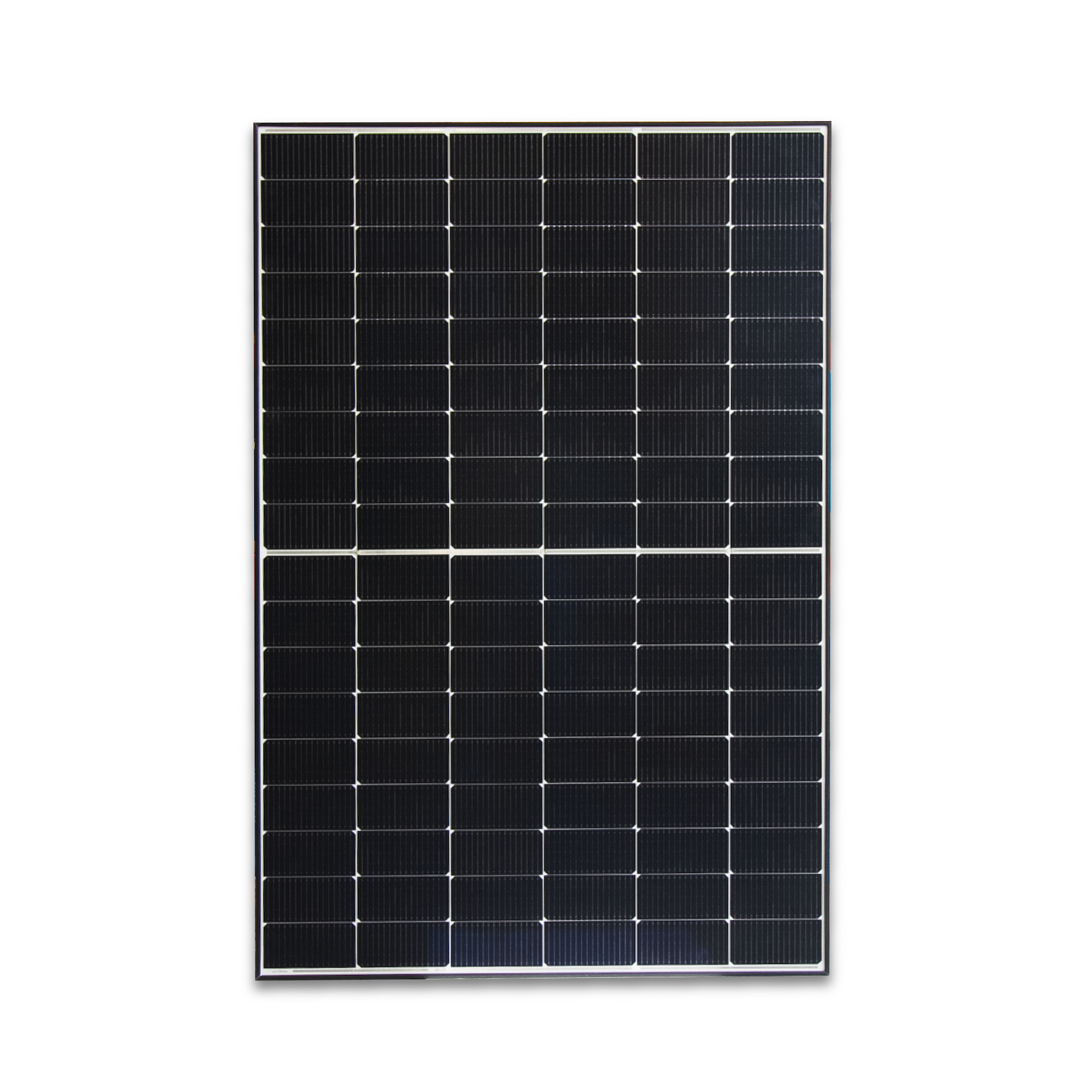
| Solar | 440W JA Solar |
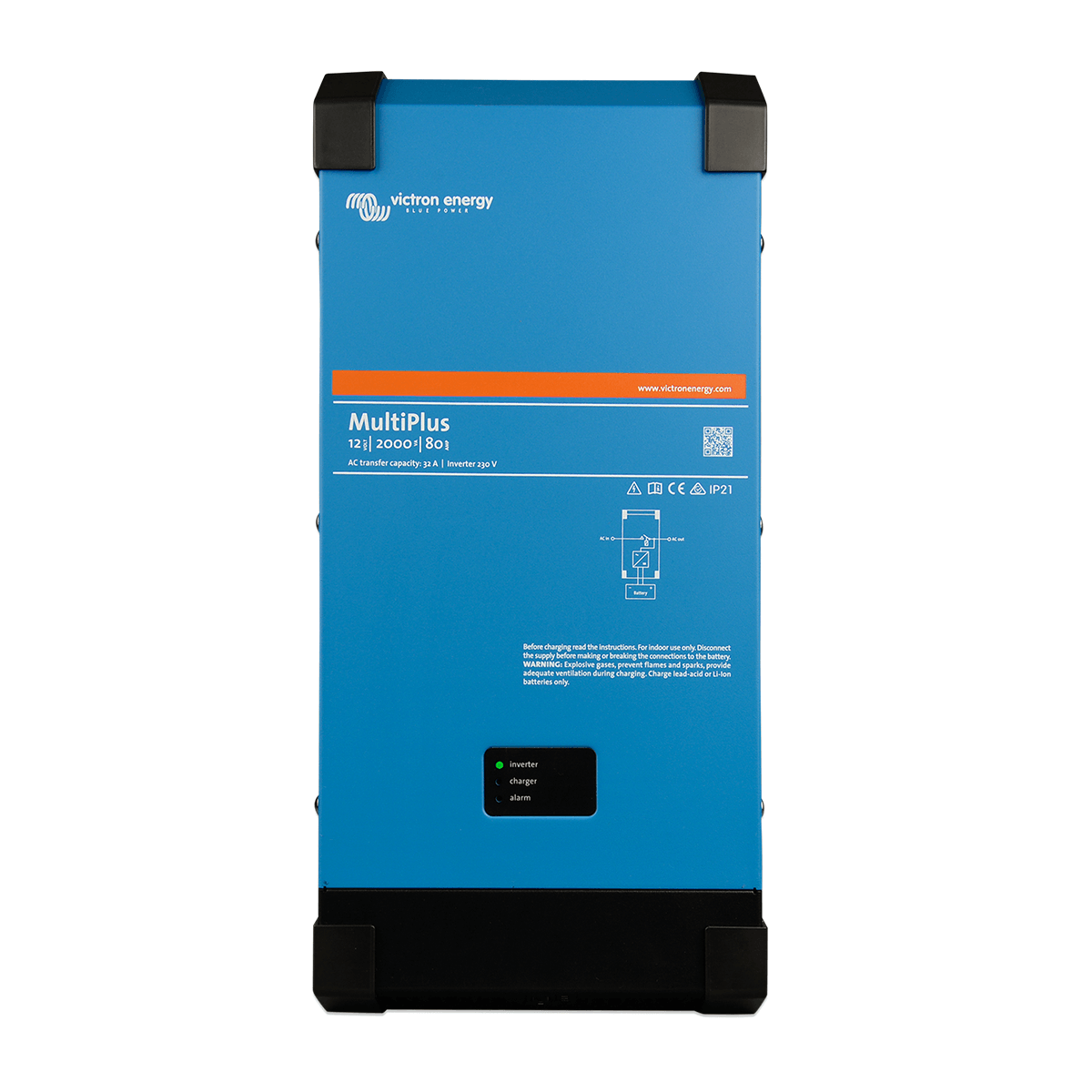
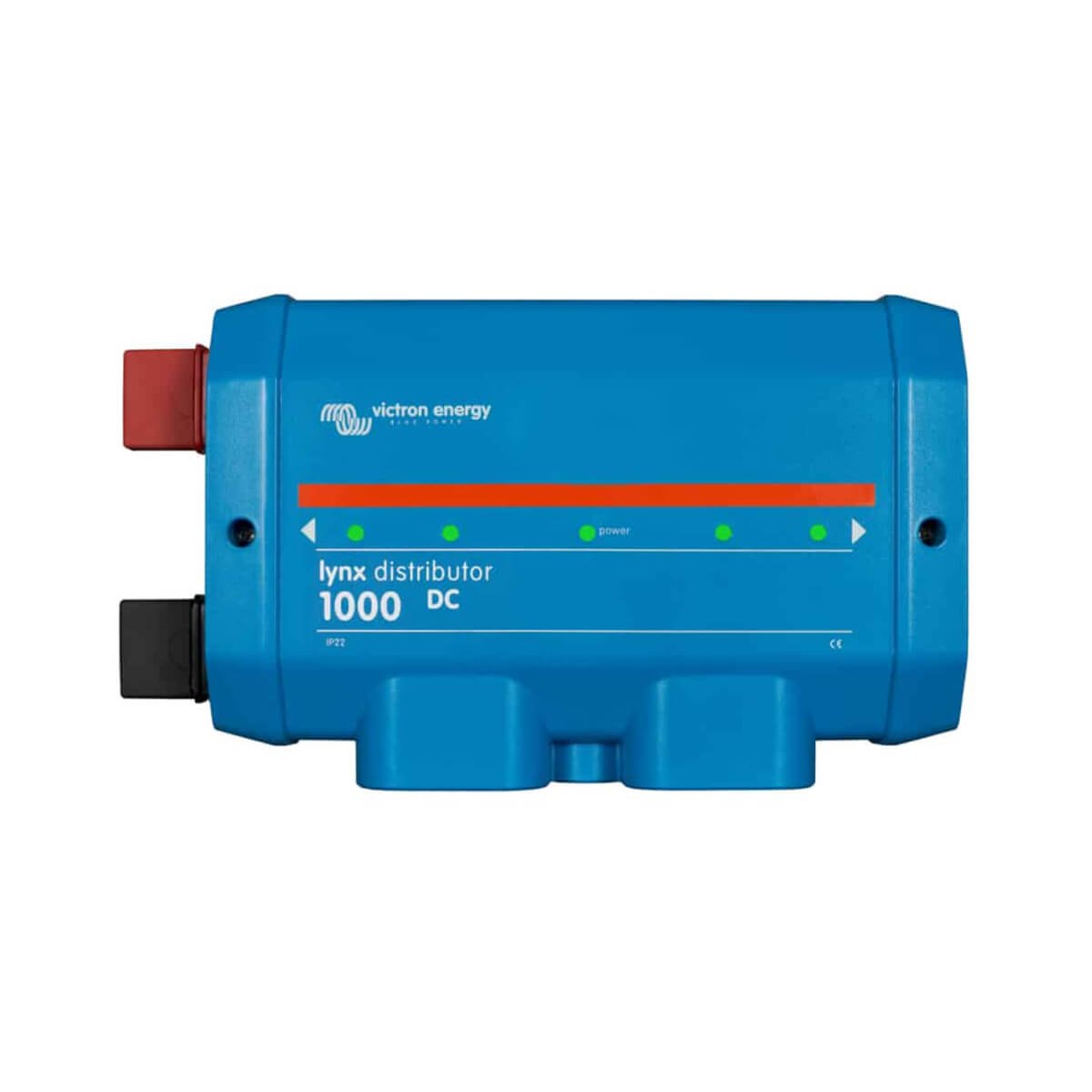
| Inverter | 2000VA MultiPlus |
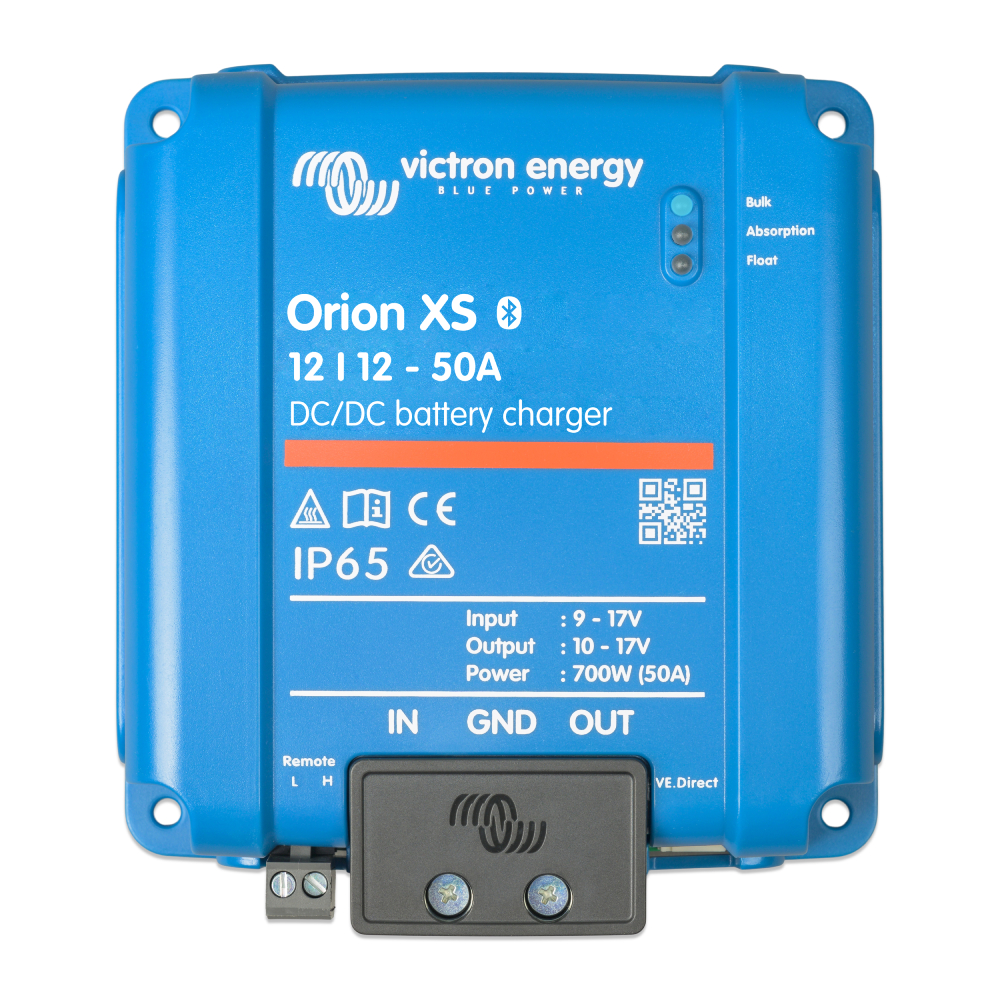
| Alternator charging | 50A DC-DC |
| Mains charging | Via inverter/charger |
| High-powered AC appliances | 1600W Bambino coffee machine |
| Other loads | 50L fridge, laptop chargers, blender, speaker, projector, camera charger, phone chargers |
Why we designed it this way
🔋 460Ah lithium battery
Becky and Millie expected to spend prolonged periods parked in one place, rather than driving every day. The larger battery bank gives them additional stored energy to fall back on when solar generation is low and alternator charging isn't available.
With an estimated daily power consumption of 95Ah, the aim was to give them a useful buffer, rather than designing a system that depended on being recharged every day.
☀️ 440W solar
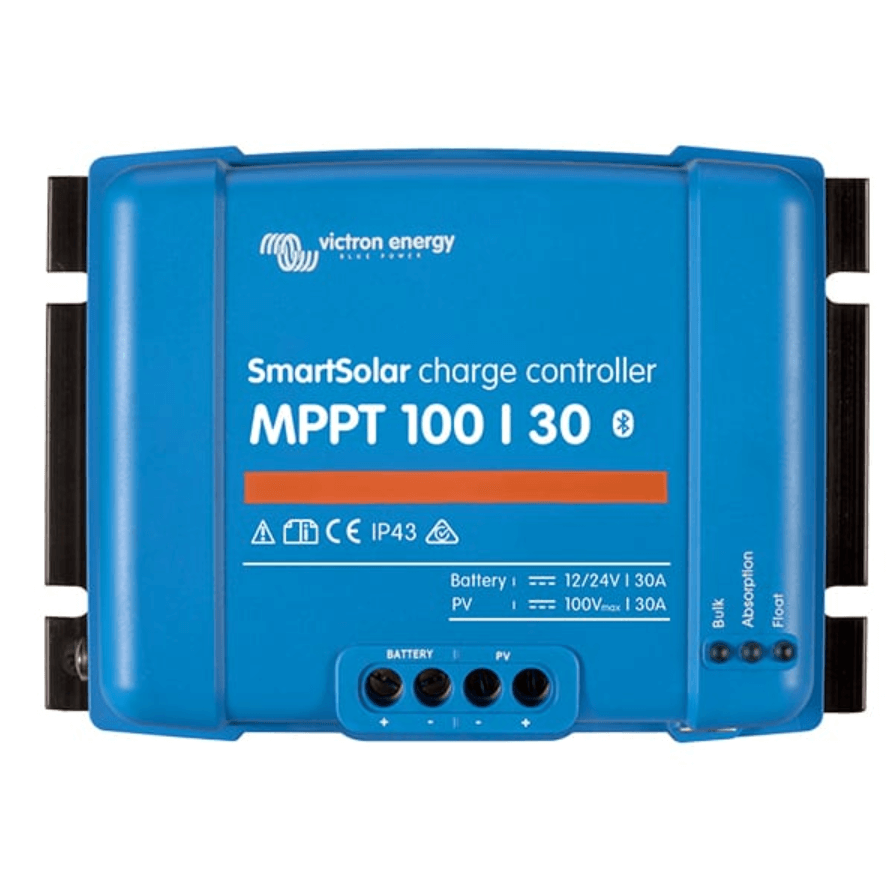
A single 440W JA Solar panel provides the main source of charging whilst the van is stationary.
For their style of travel, this is particularly useful because much of their time off-grid may be spent parked rather than driving regularly. Solar can therefore cover a significant proportion of their everyday consumption without them needing to run the engine or find electric hook-up.
⚡ 2000VA inverter/charger
The largest significant mains load was their 1600W Bambino coffee machine.
The 2000VA MultiPlus inverter/charger comfortably covers this and their other AC appliances, when a larger 3000VA inverter would have added cost and capacity that they didn't need. This is a good example of why we size systems around the appliances they'll actually be powering, rather than simply including the largest inverter available.
🚐 50A DC-DC charging
The DC-DC charger provides another useful source of energy whenever the van is being driven. Combined with solar and mains charging, this gives Becky and Millie three different ways to replenish the battery depending on how they're travelling.


What does the system power?
The electrical system supports everything Becky and Millie need for day-to-day living and remote work.
Their main loads include:
- 1600W Bambino coffee machine
- 50L compressor fridge
- Laptop chargers
- Blender
- Projector
- Speaker
- Lighting
- Water pumps
- Other smaller 12V and USB loads
Because cooking is primarily gas, the system doesn't need to accommodate the very high loads associated with electric ovens or induction hobs. This keeps the inverter requirement relatively modest, whilst still giving them reliable mains power for the appliances they actually use.


Installing the system
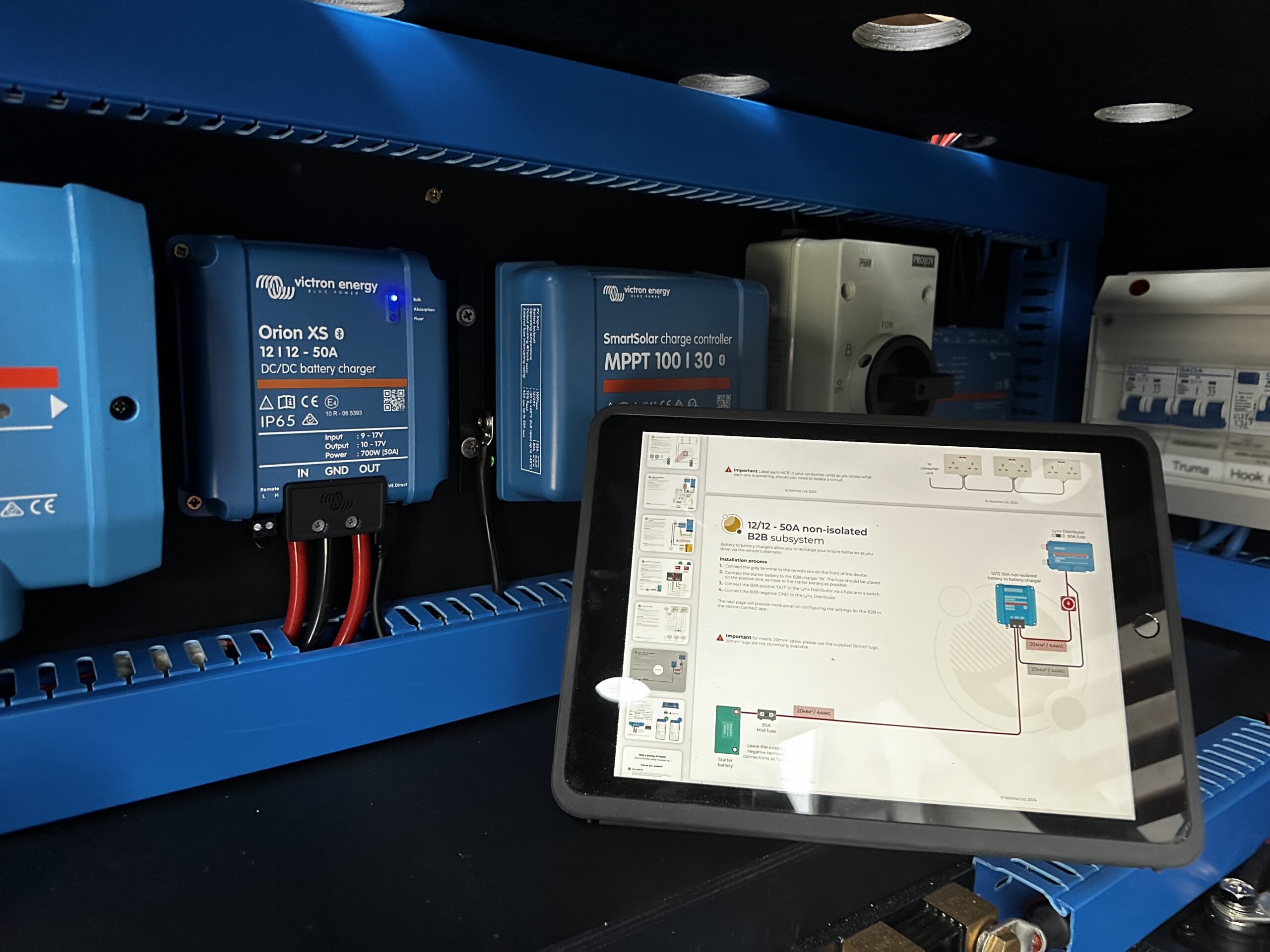
Becky installed the electrical system herself using Nohma's wiring diagram and installation guide. Having already built one van, she was comfortable carrying out the installation, but following a complete system design removed much of the uncertainty around component selection and how everything should be connected. Nohma's technical team was also available during the installation process when questions came up.
Living with the system
The finished system has worked well for the way Becky and Millie actually use the van. It comfortably supports full-time remote working and their everyday electrical loads, while the combination of solar, alternator charging and a large lithium battery means they rarely need to rely on electric hook-up.
The additional battery capacity is particularly useful when they're staying in one place for longer periods, giving them more flexibility when solar conditions aren't ideal and they aren't driving regularly.
Becky's verdict

Having the whole system designed before I started made the installation much easier. I knew what everything was there to do and how it all fitted together, and if I wasn't sure about something I could ask the Nohma team. Since we've been travelling, the system has comfortably kept up with working full-time and everything else we use day to day. We very rarely need hook-up, which is exactly what we wanted from the van.
Becky Quinton, Operations Manager
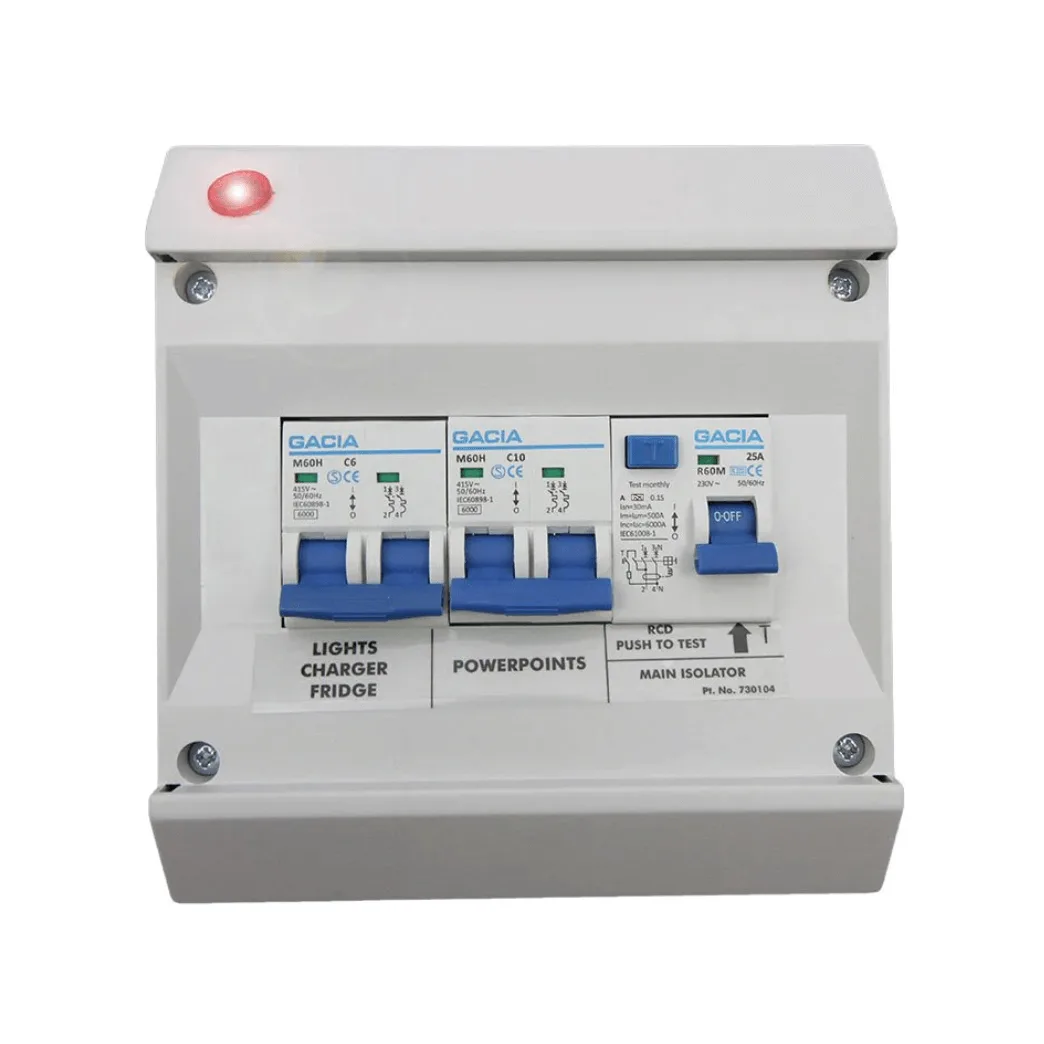
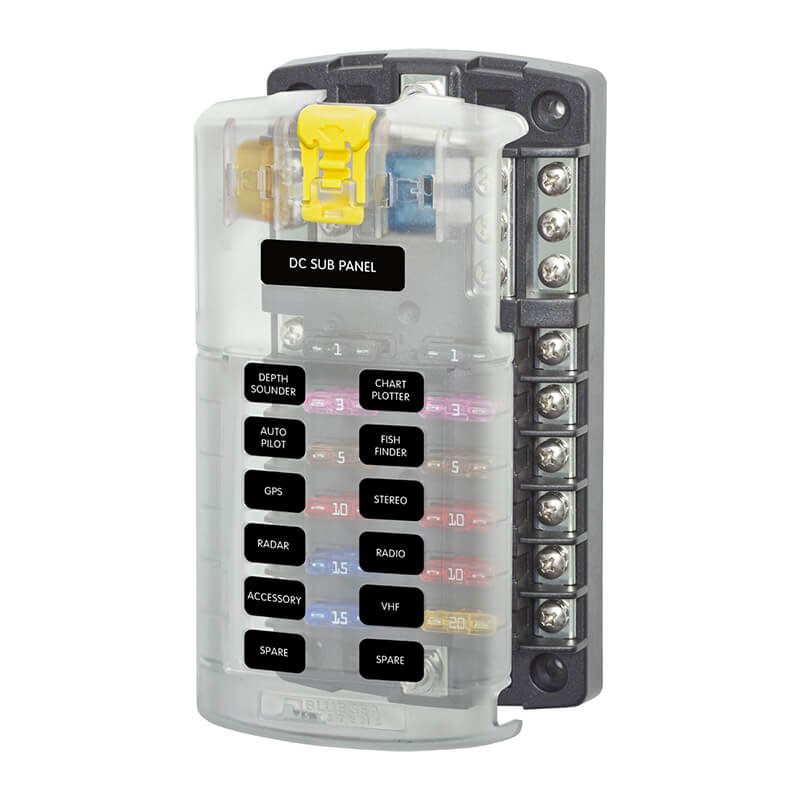
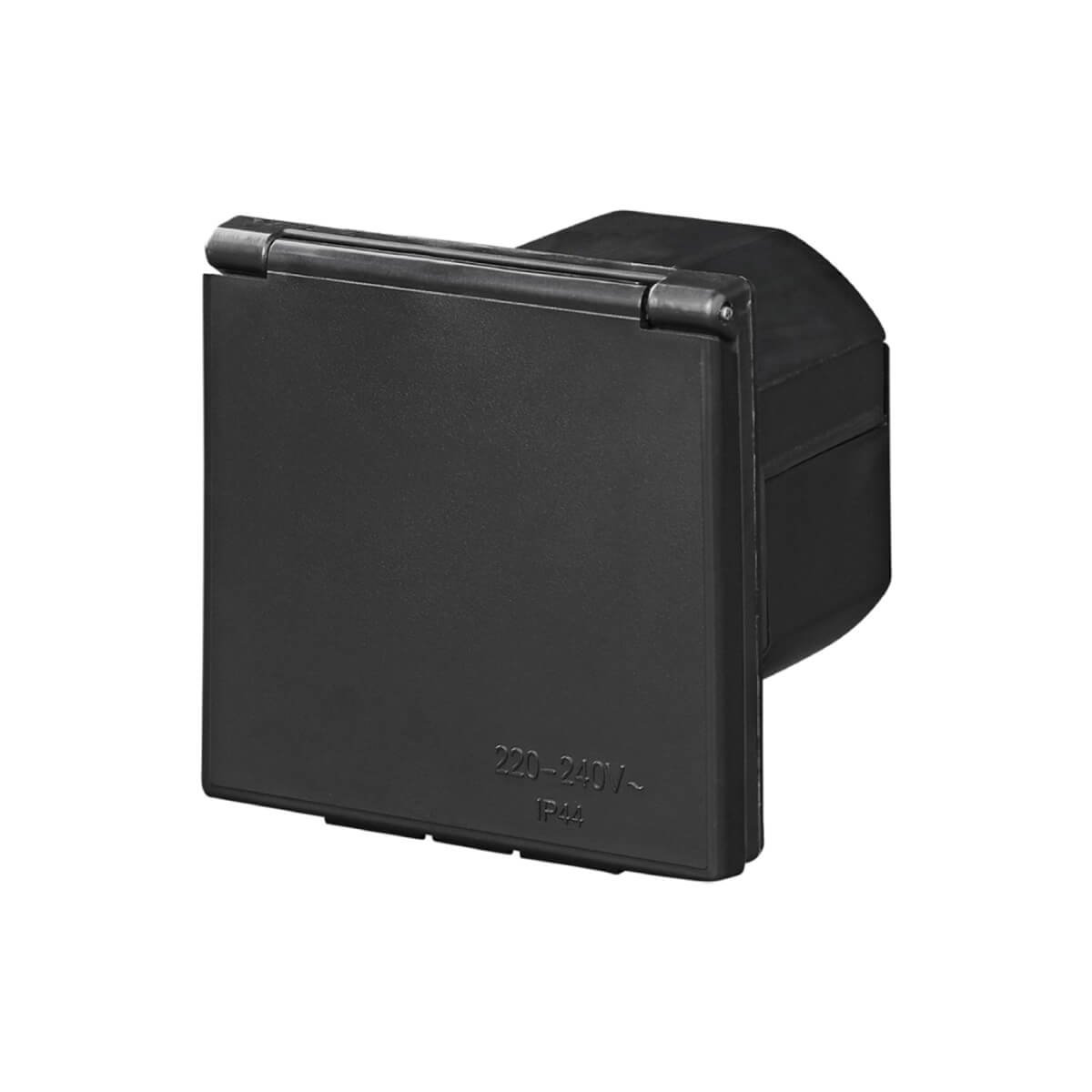
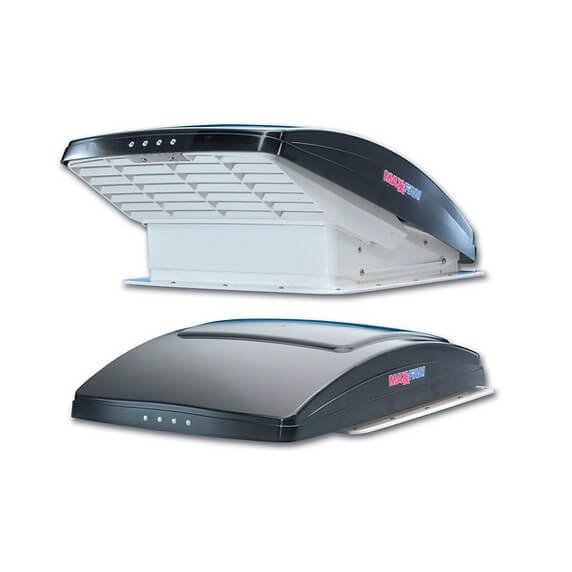
System components ⚡️
Planning something similar?
If you're building a campervan for long-term travel, remote work or extended periods off-grid, the right electrical system depends on much more than battery size alone.
We design each system around your appliances, expected energy use, charging opportunities and the way you actually plan to travel.
Campervan electrics leaving you confused?